You’ve invited three painting contractors to your home, walked them through the same project, and received three very different estimates.
One contractor quotes $5,000. Another comes in at $8,000. The third estimates $12,000.
How can three professionals look at the same house and arrive at such different prices?
It’s a reasonable question, and one homeowners frequently face when planning interior painting, exterior painting, or kitchen cabinet refinishing projects.
The answer isn’t necessarily that one contractor is overpriced or another is cutting corners.
Painting estimates can vary because contractors approach the same project with different expectations, preparation standards, materials, labor requirements, and methods of execution.
At Brush & Pride Painting, we’ve learned that understanding these differences is far more valuable than simply comparing the numbers at the bottom of each proposal.
Here’s what we encourage homeowners throughout Little Rock and Central Arkansas to consider.

1. The Same Project Doesn’t Always Mean the Same Scope of Work
One of the biggest misconceptions homeowners have when comparing painting estimates is assuming they’re comparing identical services.
Two contractors may walk through the same home but develop very different interpretations of what the project requires.
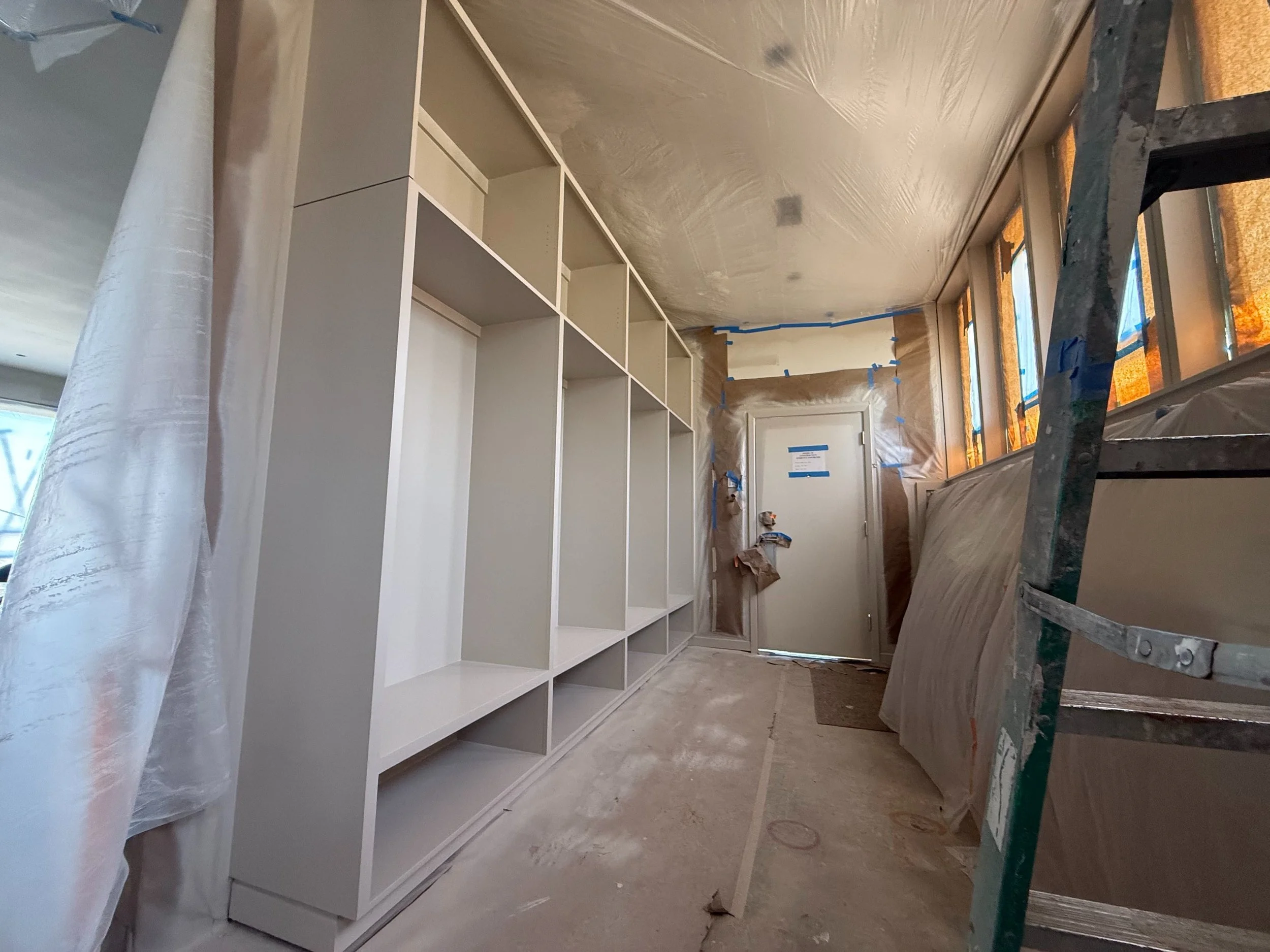
For example, an interior painting estimate might include filling nail holes, sanding imperfections, repairing drywall, and preparing trim.
Another contractor might include only basic surface preparation before applying paint.
Both contractors may describe their proposals as an interior repaint.
Yet the work being performed can be substantially different.
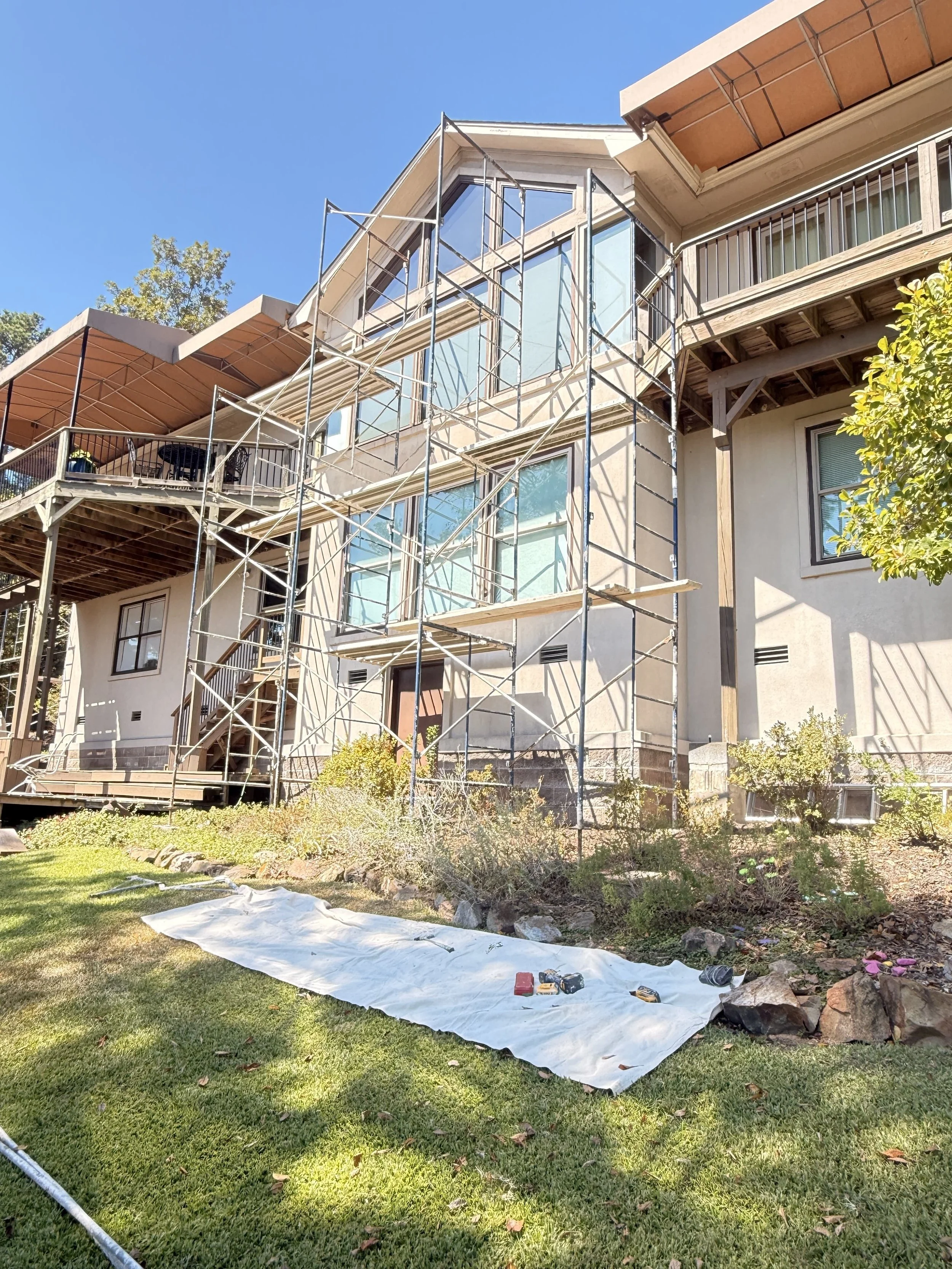
The same applies to exterior painting.
Does the estimate include scraping deteriorating paint? Sanding damaged areas? Replacing rotted wood? Repairing failing caulk? Priming exposed surfaces?
And if those services are included, to what extent?
A proposal should clearly define what is included, what is excluded, and the level of preparation being provided.
Without those details, homeowners may believe they’re comparing equivalent estimates when they’re actually purchasing different levels of service.
2. Surface Preparation Can Determine How Long Your Paint Job Lasts
A freshly painted surface can look beautiful immediately after completion, even when the preparation underneath is inadequate.
The difference often becomes apparent later.
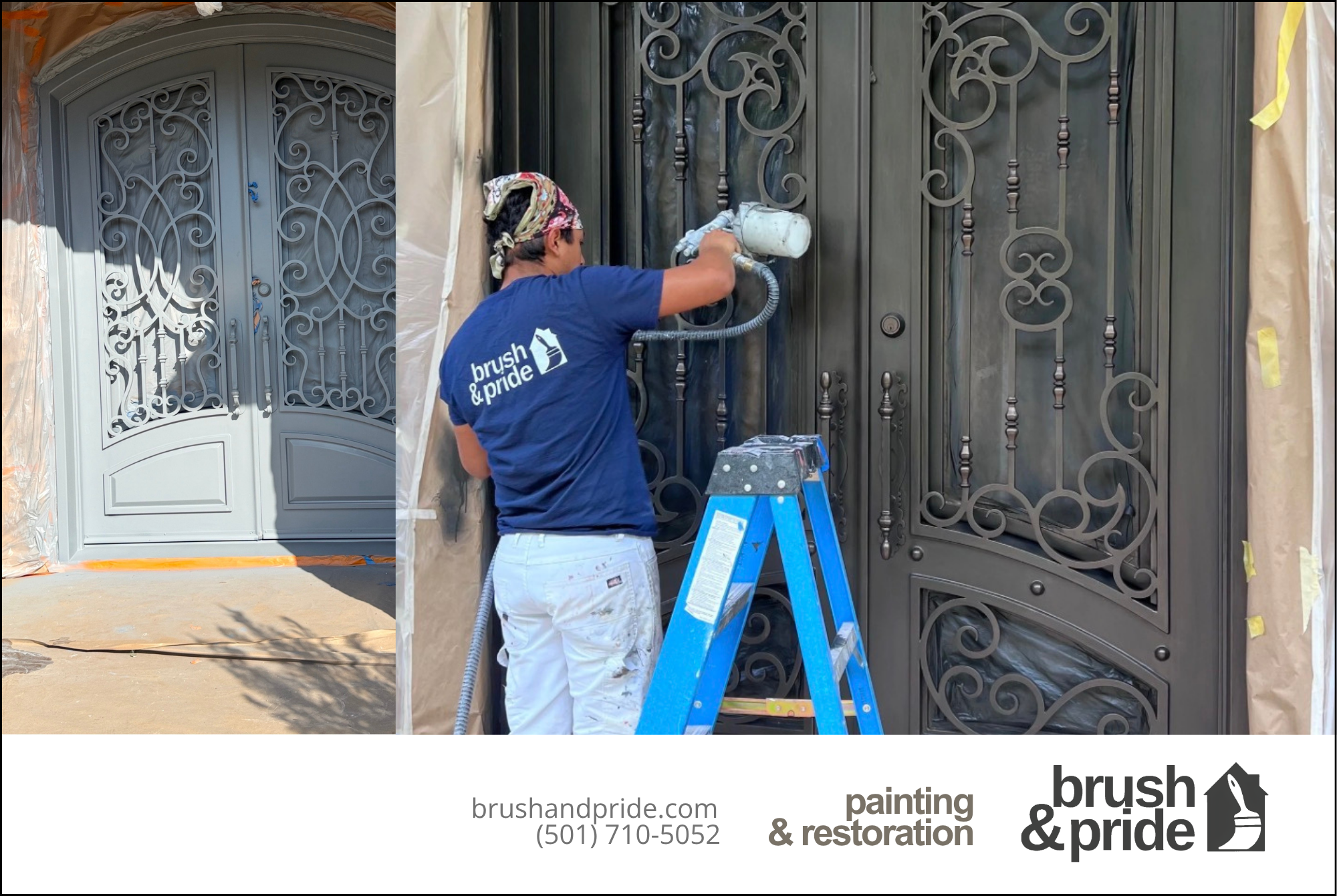
At Brush & Pride, we’ve encountered doors, trim, and kitchen cabinets with peeling finishes caused by improper preparation or incompatible coating systems.
One common issue involves applying latex or acrylic coatings over existing oil-based finishes without the appropriate surface preparation and compatible bonding primer.
When the underlying coating isn’t properly prepared, the new finish may fail to adhere.
Kitchen cabinets provide another example.
Before refinishing cabinets, our preparation process typically involves thoroughly cleaning and degreasing surfaces, removing accumulated residue, sanding, addressing imperfections, and applying appropriate primers.
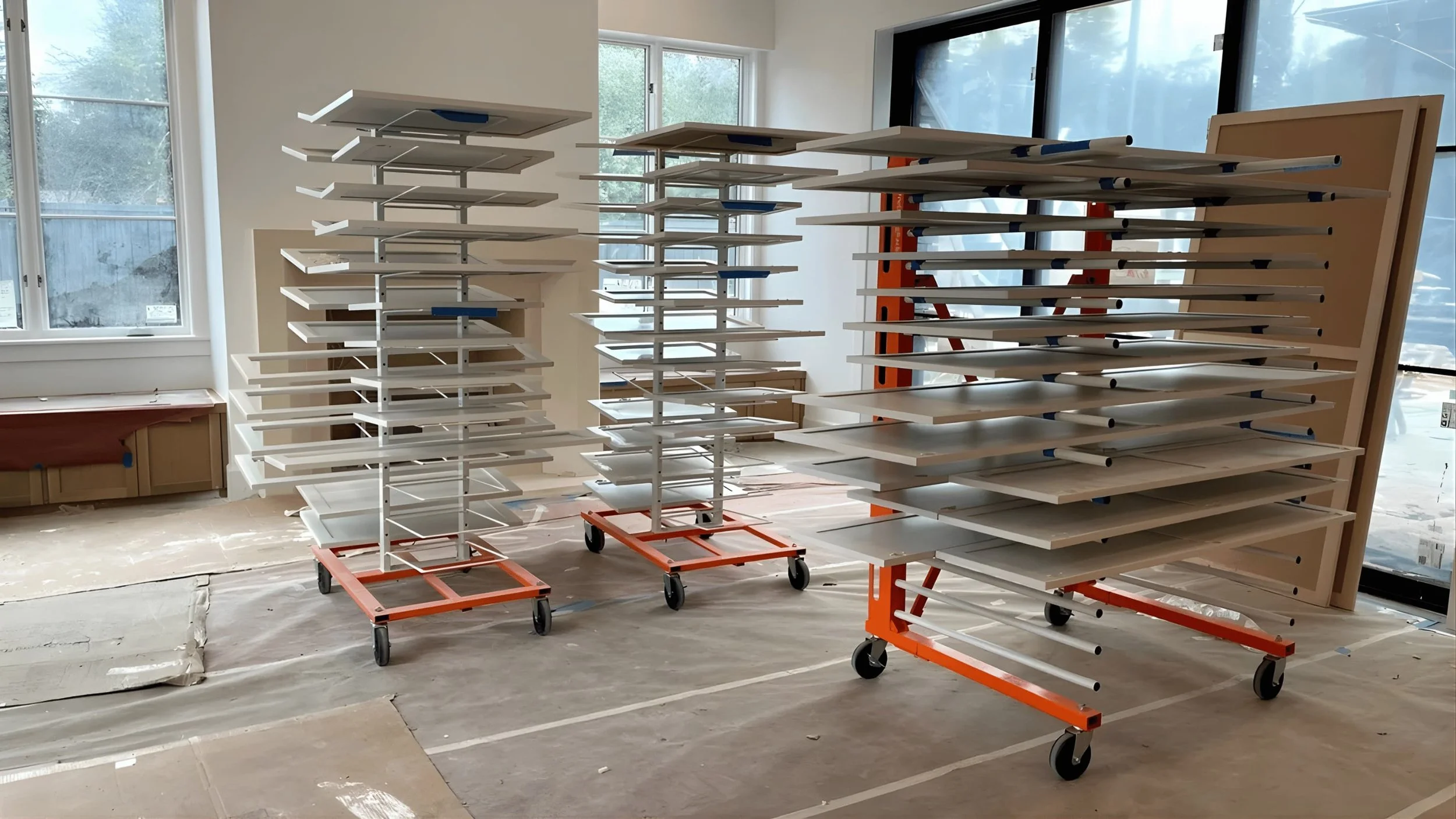
Depending on the existing finish and coating system, cabinets may receive two primer coats, with sanding and additional surface correction between applications, before the finish coats are applied.
These steps require time and labor.
But skipping them can create adhesion problems that aren’t immediately visible when the project is completed.
Similarly, new drywall and certain previously finished surfaces require appropriate priming to promote uniform appearance and reliable coating performance.
The quality of a paint job isn’t determined solely by how it looks on completion day. It’s also determined by how well the finish performs over time.
That’s why preparation deserves careful attention when comparing painting estimates.
3. Project Timelines Can Reveal Differences in Process
Homeowners sometimes assume that a contractor who can finish a project faster must be more efficient.
That isn’t always the case.
At Brush & Pride, we operate with an experienced, efficient crew and established procedures.
However, our project timelines account for more than the time required to apply paint.
For example, we might estimate that a particular interior painting project will require 10–14 days.
Another contractor might estimate four days.
That difference doesn’t automatically mean one contractor is right and the other is wrong.
It may reflect different approaches to preparation, protection, staffing, and workflow.
Consider floor protection.
Our approach may involve installing protective materials throughout work areas and along the paths our crews use to move through the home.
Another contractor may rely primarily on movable drop cloths.
Both methods can be appropriate in certain circumstances, but they involve different amounts of labor and different approaches to managing the risk of accidental damage.
At Brush & Pride, our procedures are designed to protect the homeowner’s property while allowing our crews to work efficiently.
We’ve had customers comment on how quickly our team completes projects, while others have expected certain projects to take less time.
Those differing expectations reinforce an important point:
A contractor’s efficiency should be evaluated alongside the work being performed—not simply by the number of days quoted.
4. Materials and Coating Systems Affect the Price
Not all paint products are designed for the same applications.
A coating suitable for interior walls may not be appropriate for kitchen cabinets, exterior siding, or previously oil-painted trim.
Different products also offer different performance characteristics, including durability, washability, adhesion, and resistance to environmental exposure.
Professional contractors should select coating systems based on the substrate, existing finish, surface conditions, and intended use.
When comparing estimates, homeowners should look beyond the manufacturer’s name.
For example, simply stating that a contractor will use Sherwin-Williams or Benjamin Moore paint doesn’t identify the specific product being purchased.
Manufacturers offer multiple product lines designed for different purposes and price points.
Your proposal should identify the intended manufacturer, product line, and finish sheen.
Final color selections may be documented separately, but they should also be confirmed in writing before application.
These details help establish clear expectations and reduce the potential for misunderstandings.
5. A Detailed Proposal Protects Both the Homeowner and Contractor
One of the most important recommendations we give homeowners is to carefully review the written scope of work.
A contractor may discuss numerous repairs during an initial walkthrough.
However, if those repairs aren’t documented in the proposal, the homeowner and contractor may leave with very different expectations.
Consider a proposal that simply states:
“Exterior painting with wood rot repair included.”
What does that mean?
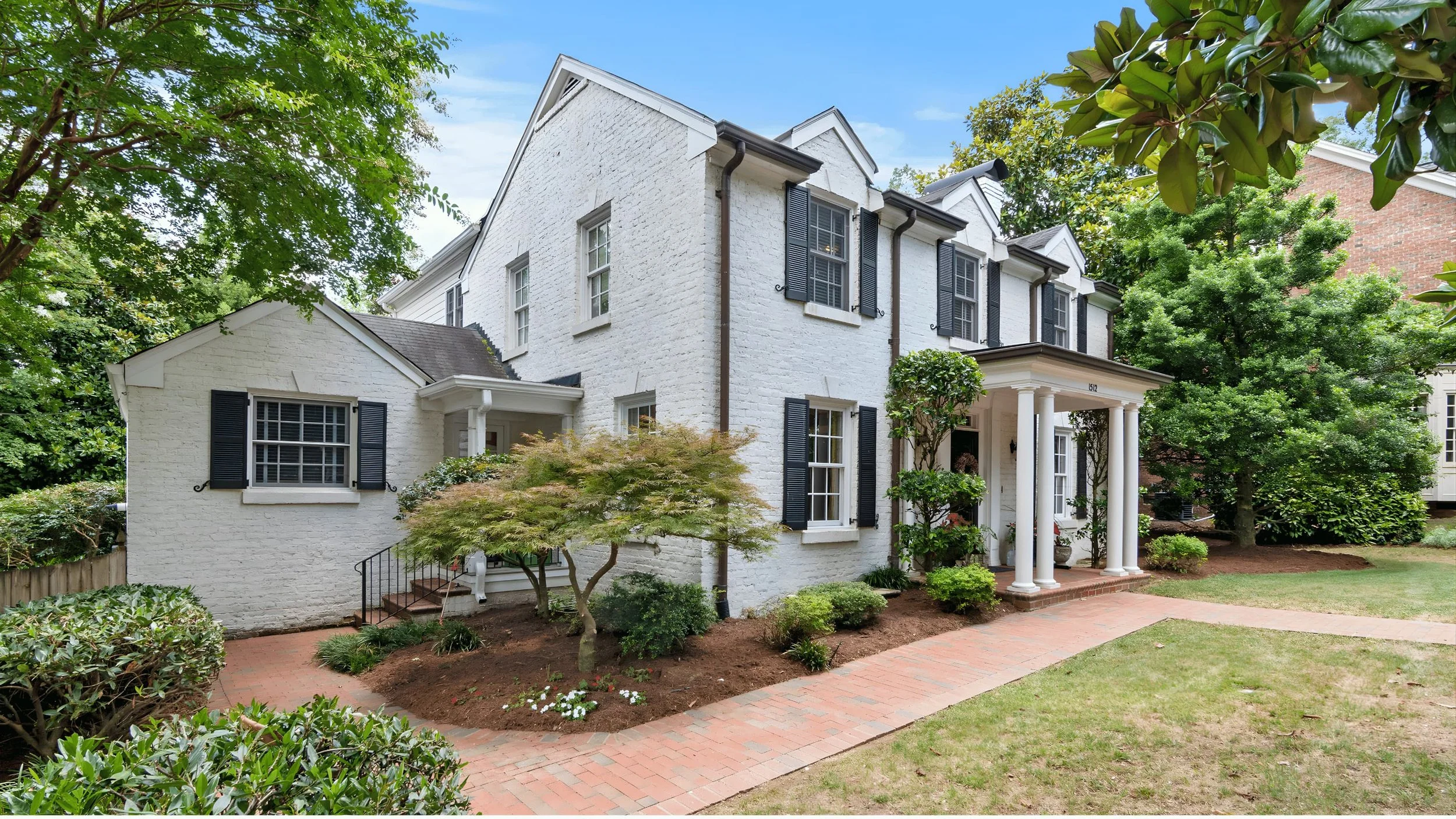
Does it include replacing deteriorated trim around one window or repairing wood rot around ten windows?
Does it include fascia boards, siding, or decorative trim?
How extensive are the repairs?
Without additional details, the homeowner may expect far more work than the contractor intended to provide.
A well-defined proposal should identify the affected areas, anticipated repairs, and the extent of the work included.
The same principle applies to interior painting.
Will the contractor fill nail holes? Repair drywall cracks? Sand trim? Correct previously identified imperfections?
If those items matter to you, make sure they’re addressed in writing.
At Brush & Pride, we believe detailed proposals are beneficial to everyone involved.
They may be longer than a simple one-page estimate, but they help homeowners understand exactly what they’re investing in.
If something is important enough to discuss during the estimate, it’s important enough to clarify in writing before work begins.
6. Why an On-Site Painting Estimate Matters
We understand that some homeowners would prefer to receive a painting price without scheduling an in-person consultation.
In some cases, that hesitation may come from concerns about high-pressure sales tactics.
We understand those concerns.
However, a thorough on-site evaluation serves a purpose beyond discussing price.
At Brush & Pride, our consultation process begins with understanding the homeowner’s expectations.
What concerns do they have about the property?
Are there existing coating failures, water intrusion issues, damaged wood, or areas requiring special attention?
What’s motivating the project?
An in-person walkthrough gives us an opportunity to identify existing conditions, discuss the desired results, and determine the labor, materials, and preparation required.
It also gives the homeowner an opportunity to ask questions and understand our approach.
Our consultations aren’t designed around high-pressure sales. They’re intended to establish whether the project, expectations, and our professional standards are a good fit.
We evaluate the project just as the homeowner evaluates our company.
That mutual understanding helps establish a more productive working relationship from the beginning.
7. The Lowest Estimate Isn’t Necessarily the Best Value
It’s tempting to assume that the lowest painting estimate represents the best deal.
But price alone doesn’t establish value.
In commercial construction, some general contractors compare multiple bids and focus their evaluation on the proposals they consider most reasonable and complete, rather than automatically selecting the lowest number.
Homeowners can apply a similar principle.
Instead of immediately choosing the lowest or highest estimate, examine what each contractor is offering.
Does the proposal clearly define the scope?
Are preparation requirements explained?
Are the materials identified?
Does the contractor demonstrate an understanding of the property’s condition and your expectations?
At Brush & Pride, we’ve had homeowners choose us even when our estimate wasn’t the lowest.
We’ve also had homeowners choose another contractor because our pricing exceeded their budget.
We don’t view either decision as inherently right or wrong.
Different homeowners have different priorities.
Many of the customers who ultimately hire Brush & Pride have researched our company, reviewed our website, spoken with previous customers, or received recommendations from friends and neighbors.
They’re looking for a contractor whose experience, workmanship standards, and approach align with what they value.
The goal isn’t necessarily to find the cheapest painter. It’s to find the right contractor for your project and expectations.
8. The Long-Term Cost of Painting Includes Maintenance
Even a properly prepared and professionally applied paint finish requires ongoing care.
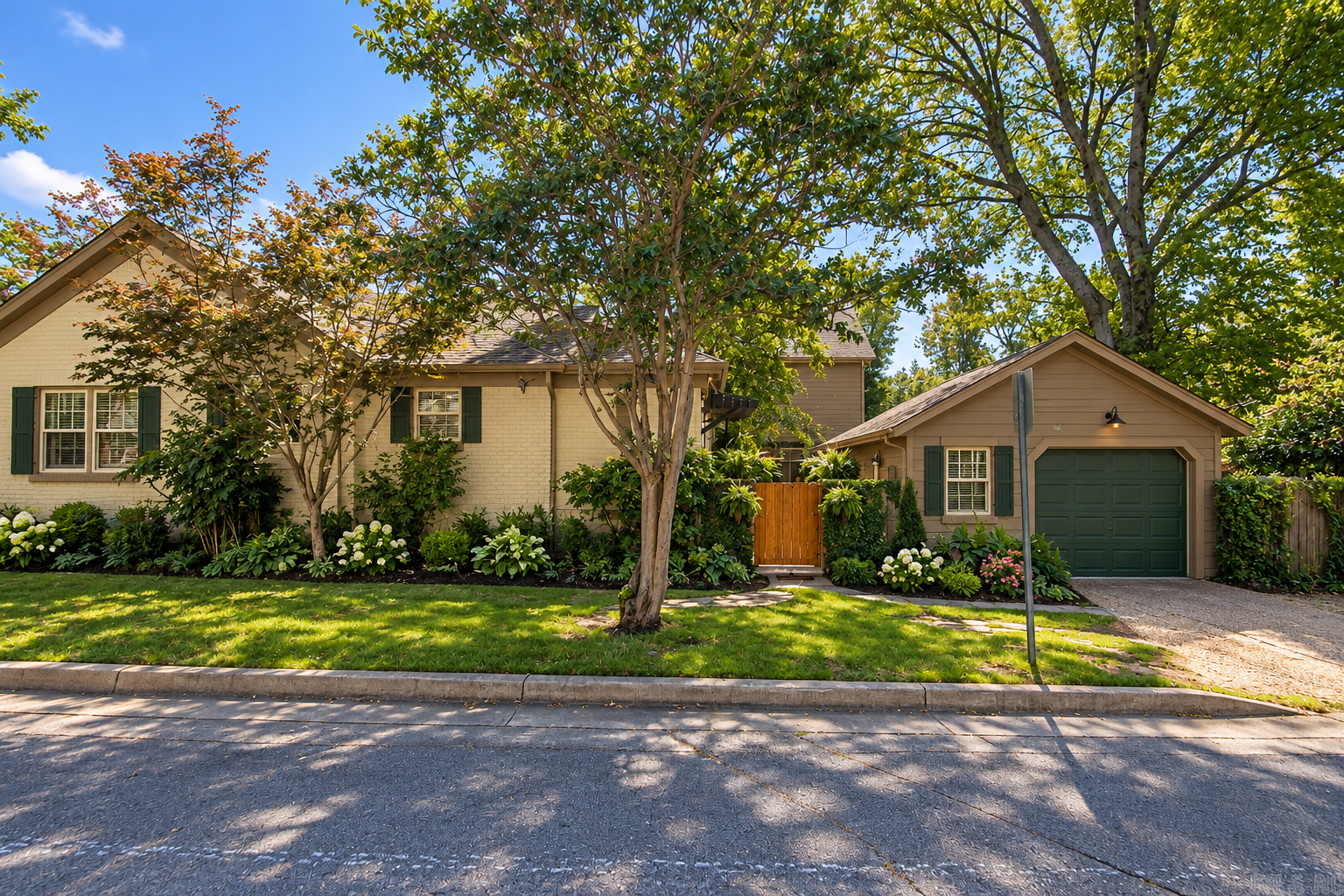
This is particularly important for exterior painting projects in Arkansas, where surfaces experience seasonal temperature changes, humidity, rainfall, and prolonged sun exposure.
Homeowners should periodically inspect exterior surfaces for signs of deterioration.
Pay particular attention to caulking around windows, doors, trim, and siding joints.
Look for cracking, separating caulk, exposed wood, peeling paint, or other signs of weathering.
Addressing these conditions early can help prevent moisture intrusion and more extensive deterioration.
We also encourage homeowners to maintain records of the paint manufacturers, product lines, colors, and finishes used on their homes.
Having this information available makes future maintenance and compatible touch-ups easier.
Waiting 10 or 15 years to address small problems can allow relatively minor issues to develop into substantial preparation and repair requirements.
Those additional repairs can significantly increase the cost of the next painting project.
A quality paint job is an investment worth maintaining.
Proper preparation establishes the foundation, while ongoing maintenance helps preserve the finish and protect the surfaces underneath.

9. Questions to Ask Before Accepting a Painting Estimate
Before signing a painting proposal, take time to review the details.
Here are several questions worth asking:
What surfaces are included in the project?
What level of preparation will be performed?
Are drywall repairs, wood repairs, scraping, sanding, and caulking included?
Are specific repair locations and quantities documented?
Which paint manufacturer, product line, and sheen will be used?
How and when will final colors be confirmed in writing?
What protection will be provided for floors, furniture, landscaping, and surrounding surfaces?
What work is specifically excluded?
How will unexpected repairs or additional work be handled?
What warranty or workmanship assurances are provided?
Don’t hesitate to request clarification.
A professional contractor should be able to explain the proposed scope and answer reasonable questions about the work.
Most importantly, don’t sign a proposal while significant questions or expectations remain unresolved.
10. Finding the Right Contractor Is Worth the Time
After years of working with homeowners, one principle continues to guide our approach at Brush & Pride Painting:
A successful project begins with mutual trust and clear expectations.
Homeowners should feel confident in the contractor they hire.
And contractors should feel confident that they understand the homeowner’s expectations and can deliver the agreed-upon results.
If you’re uncertain about a contractor’s qualifications, proposed process, or ability to complete your project, continue asking questions.
If those concerns remain unresolved, keep researching and interviewing contractors until you find one you’re comfortable hiring.
That process may require additional time.
And that’s perfectly fine.
Experienced contractors often maintain busy schedules, particularly during periods of high demand.
Finding the right company may require planning your project well in advance.
We encourage homeowners to begin researching contractors before their project becomes urgent.
Doing so provides more flexibility to evaluate proposals, understand scheduling availability, and make an informed decision.
The right contractor isn’t necessarily the one who can start tomorrow. It’s the one you trust to complete your project properly.
Planning a Painting Project in Little Rock or Central Arkansas?
At Brush & Pride Painting, we believe homeowners should have access to straightforward information about painting costs before beginning the estimating process.
Our online pricing guide provides typical investment ranges for common residential projects, including interior painting, exterior painting, kitchen cabinet refinishing, and entry door refinishing.
These ranges help establish realistic expectations while recognizing that every property has unique conditions and requirements.
Explore our Painting Pricing Guide to better understand what your project may involve.
When you’re ready to discuss your project, Brush & Pride Painting serves homeowners throughout Little Rock and surrounding Central Arkansas communities.
We welcome the opportunity to learn about your home, understand your expectations, and determine whether we’re the right fit for your project.