
Peeling cabinet paint and patchy finishes are more than cosmetic problems—they signal deeper issues with adhesion and surface preparation. When your kitchen cabinet paint isn’t sticking or starts to peel, adding another coat won’t fix the root cause. Understanding when to refinish kitchen cabinets instead of repainting can save time and preserve your cabinetry’s character. Let’s explore how to recognize these signs and why professional cabinet refinishing offers a lasting solution for Central Arkansas homes.
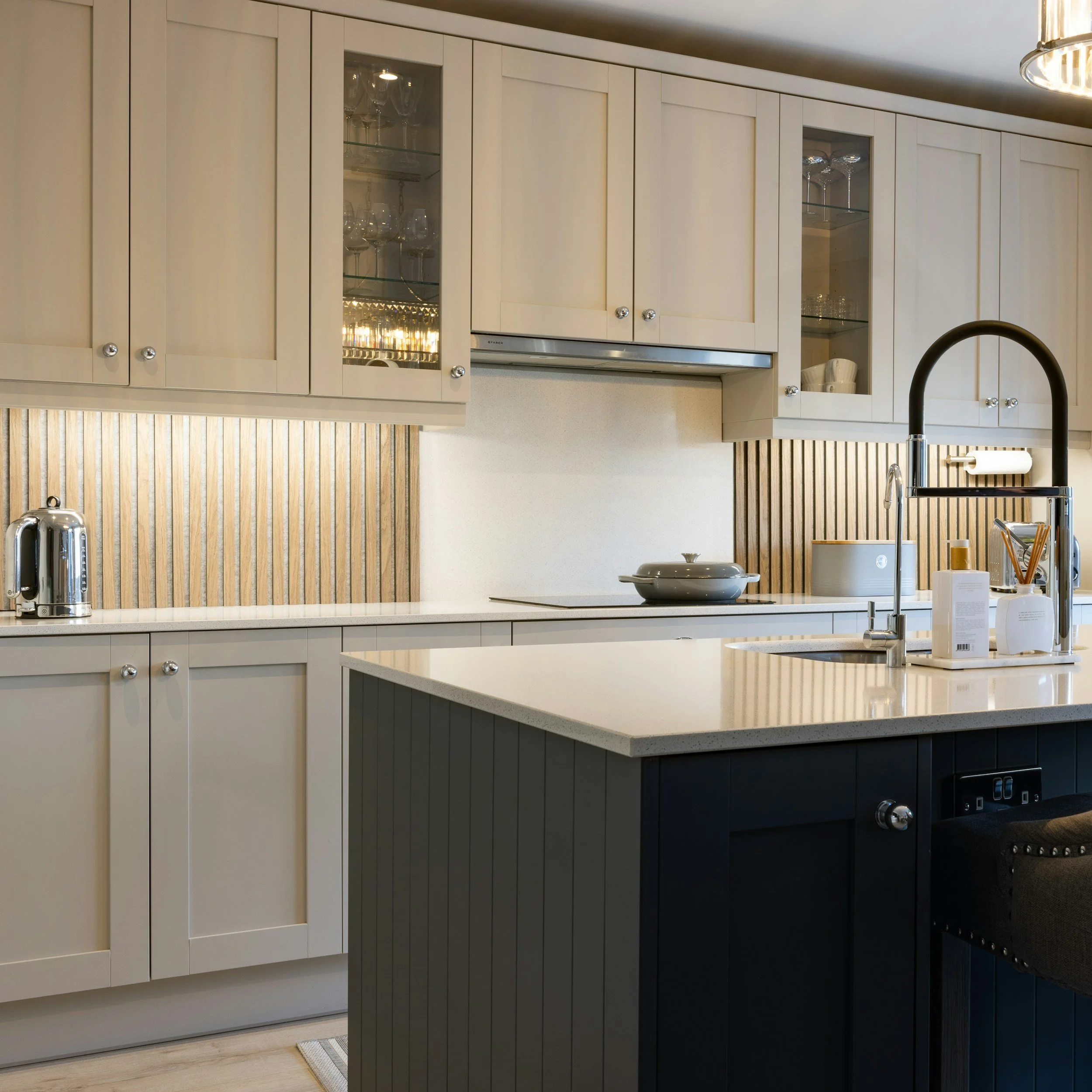
Signs Your Cabinets Need Refinishing
Knowing when your cabinets need more than just a fresh coat of paint can save you hassle and heartache. Let's explore the telltale signs.
Recognizing Cabinet Adhesion Failure
Cabinet adhesion failure is a common issue that many homeowners face. You might notice your paint bubbling or peeling away from the surface. This typically means that the coating didn’t adhere properly, often due to inadequate surface prep or incompatible coating systems. When paint starts to peel, it’s not just unsightly; it compromises the wood beneath, potentially leading to more significant damage over time.
Understanding why adhesion fails is key. Kitchens are exposed to humidity, oils, and constant use, all of which can affect paint adherence. If cleaning and degreasing weren't thorough or the wrong primer was used, these elements can prevent the paint from sticking. In these cases, a fresh coat of paint is merely a temporary fix.

Peeling Cabinet Paint Problems
Peeling paint can be frustrating, especially after investing time and money into a paint job. But it’s more than just an eyesore. Peeling indicates that the paint layer is detaching from the cabinet surface, often exposing the wood or previous coatings. This peeling can occur if the surface wasn’t properly cleaned or if a bonding primer for cabinets wasn't used.
Imagine spending hours painting, only to see flakes fall off weeks later. It’s not just disappointing; it’s a sign that something in the process went wrong. Grease and cooking oils can easily seep into the wood, making it crucial to prepare the surface correctly before any paint touches the cabinets.
When to Refinish Kitchen Cabinets
Deciding when to refinish rather than repaint can make all the difference in the longevity of your cabinets. Refinishing is necessary when the current paint shows significant wear, like deep scratches, chips, or extensive peeling. Instead of covering imperfections with more paint, refinishing allows for a fresh start, addressing underlying problems directly.
Refinishing involves stripping the existing paint, repairing any damage, and applying a new, durable finish. This approach not only enhances the appearance but also extends the life of your cabinetry. If you’re in Little Rock or Central Arkansas, a trusted Central Arkansas painting company can guide you through this process.
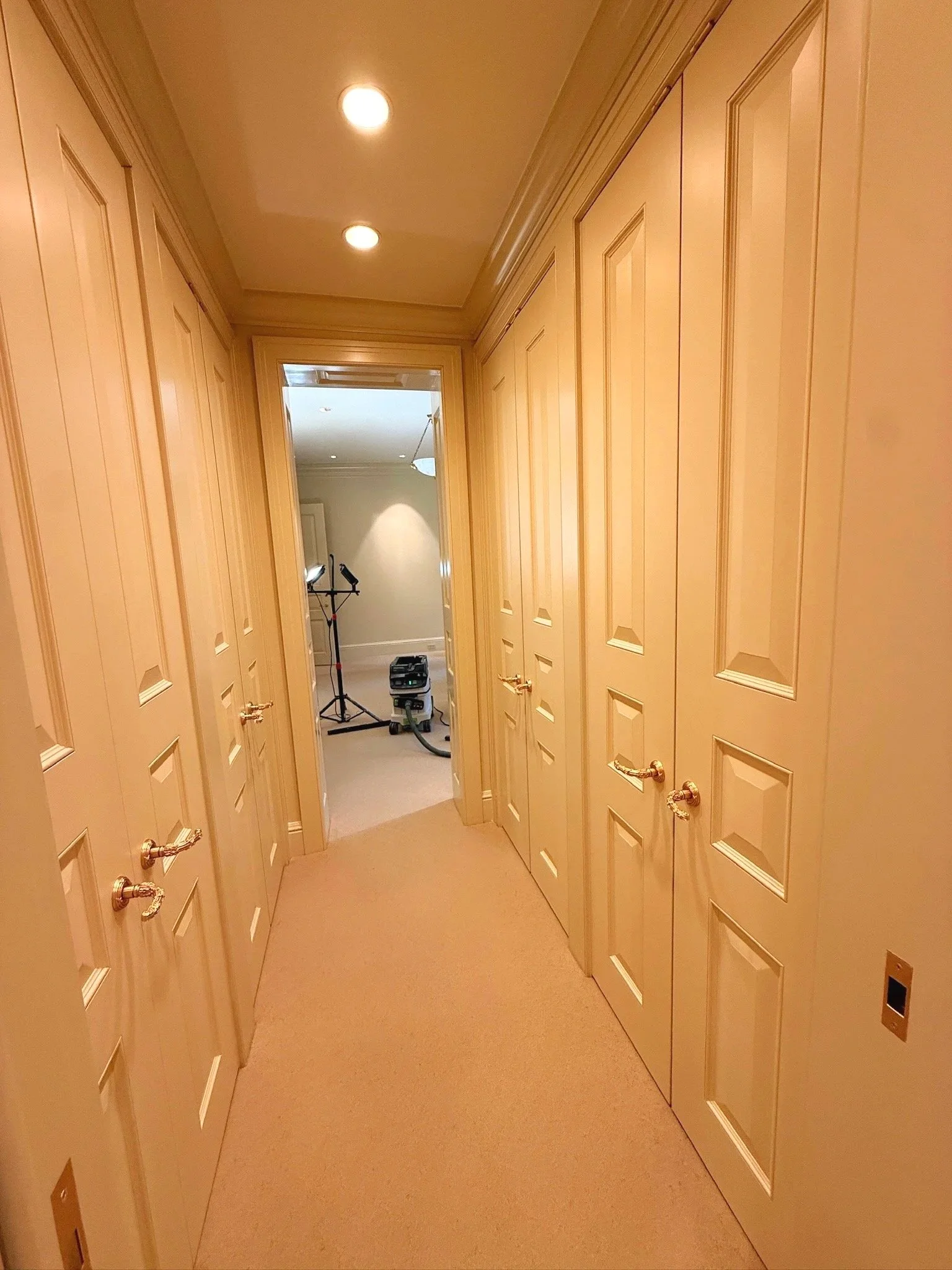
Professional Refinishing vs Repainting
Weighing the benefits of refinishing over a simple repaint can provide clarity on the best approach for your cabinets.
Cabinet Repainting vs Refinishing
Repainting is often seen as a quick fix, but it doesn’t address deeper issues. Refinishing, on the other hand, involves a more thorough process that ensures the longevity and durability of your cabinets. When you repaint, you might not solve adhesion problems if the underlying surface isn’t prepared correctly. In contrast, refinishing replaces the flawed layers, providing a solid foundation for new coatings.
Refinishing involves removing old finishes, repairing damage, and applying a new, professional-grade finish. This process makes your cabinets look new and preserves their integrity, making it a sound investment for long-term results. Kitchen cabinet restoration is more than cosmetic; it’s about retaining your cabinetry’s value and functionality.

Fixing Failed Cabinet Paint
Addressing failed paint requires more than a brush and a can of paint. It starts with identifying the cause of failure, whether it’s poor adhesion, incompatible primers, or surface contaminants. Fixing failed paint often means stripping back problematic layers and using a proper bonding primer for cabinets to ensure future coatings adhere properly.
The solution might also involve sanding and cleaning surfaces to remove oils and debris. A professional can guide you through selecting the right materials and techniques to restore your cabinets' appearance and durability. Taking these steps ensures that the new finish will last, avoiding the cycle of repainting every few years.
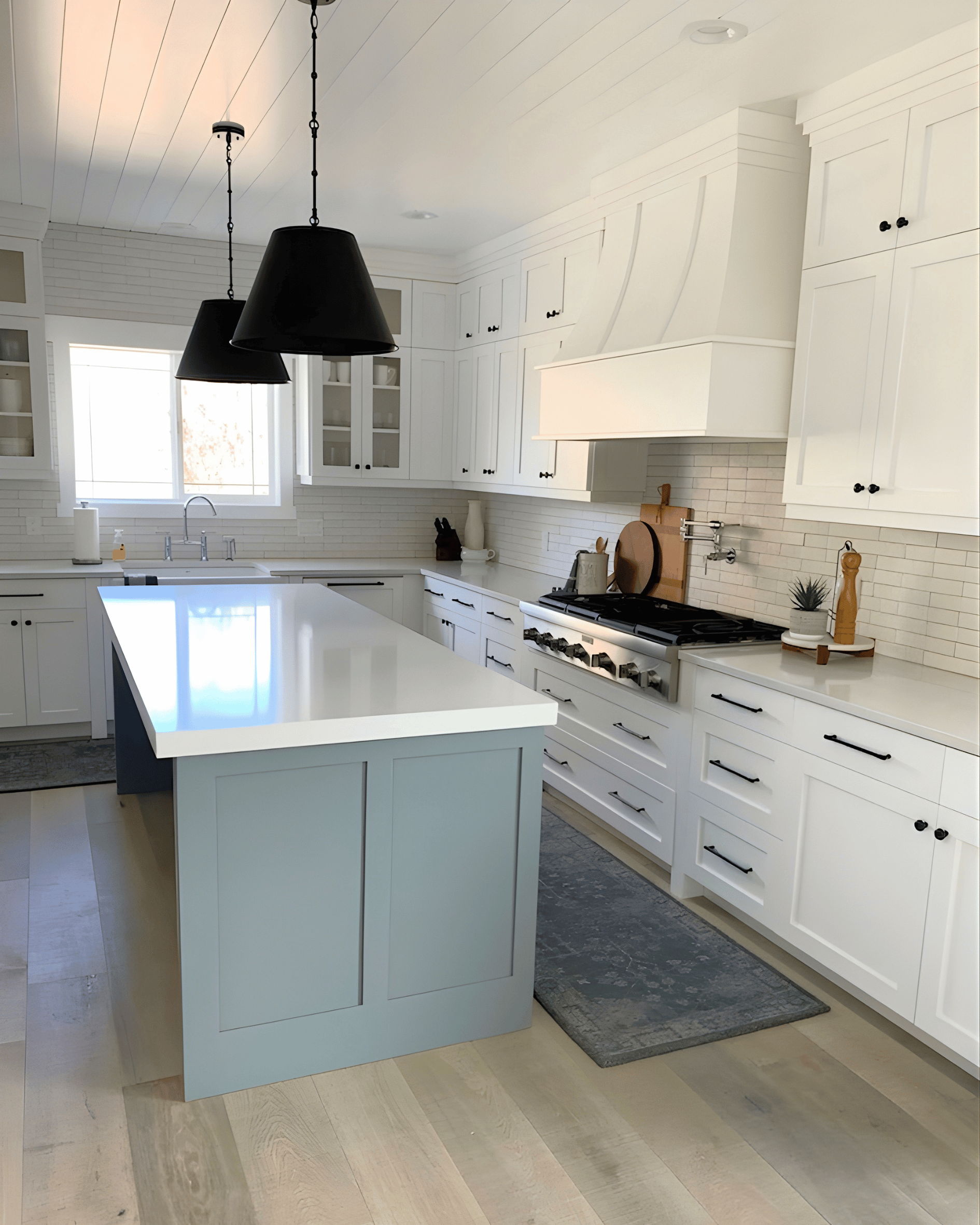
Cabinet Paint Not Sticking Solutions
If your cabinet paint isn’t sticking, it’s likely due to improper preparation or incompatible coatings. The solution starts with thoroughly cleaning and degreasing surfaces. Using a bonding primer for cabinets helps create a strong foundation for paint application. This primer acts as a bridge, ensuring the new paint adheres well to the surface.
Choosing the right type of paint is also crucial. Depending on your cabinets, you might need oil-based or water-based options. Each has its benefits and drawbacks, so understanding these can help you make informed decisions. Professional guidance ensures you pick products that offer both beauty and durability.
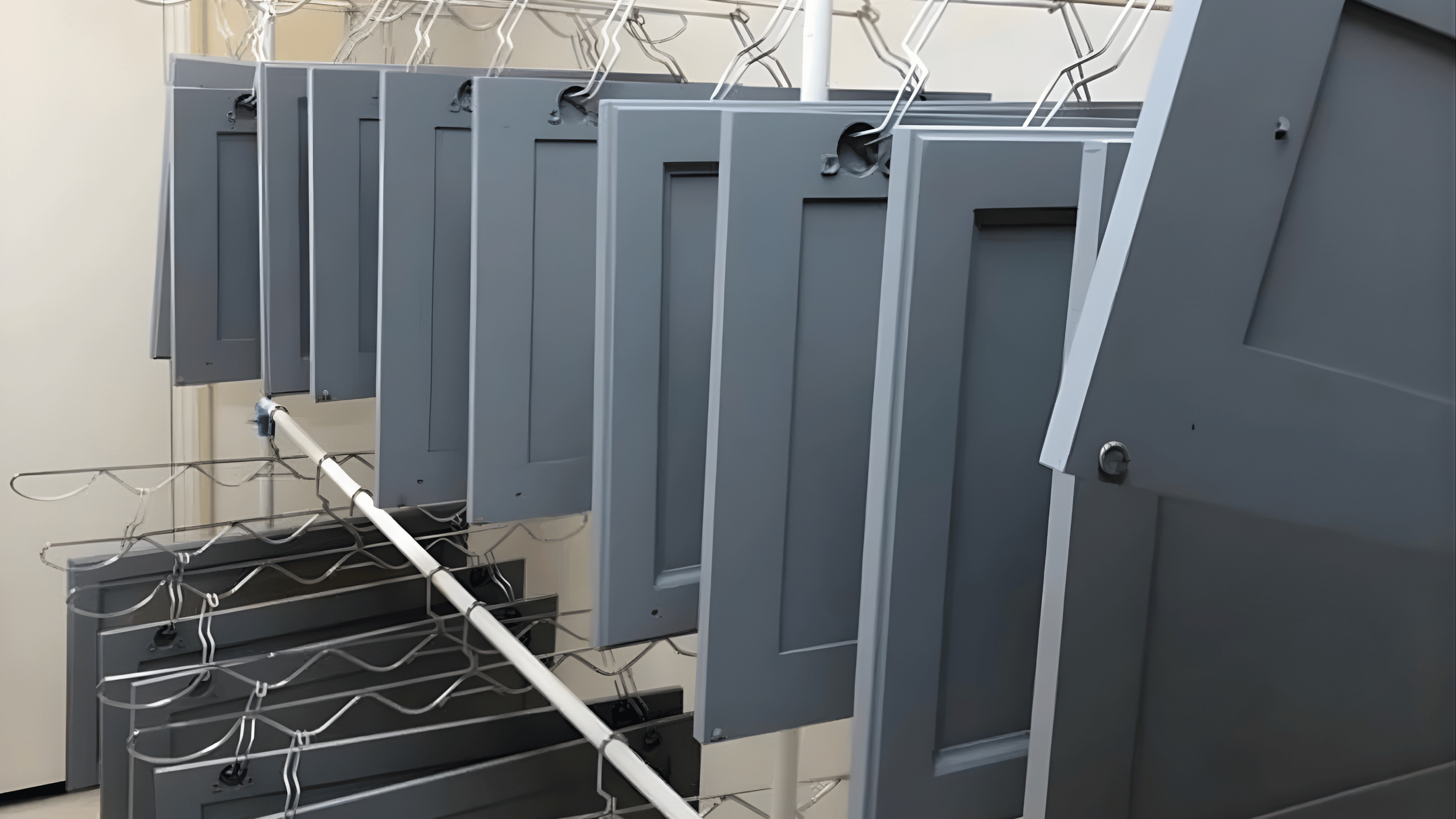
Our Refinishing Process Explained
Understanding our refinishing process can help you appreciate the craftsmanship involved and why it’s worth the investment.
Bonding Primer for Cabinets
Using a bonding primer for cabinets is essential. It ensures the paint adheres properly, creating a lasting finish. This primer is specifically designed to grip surfaces, providing a strong base for subsequent coatings. It’s a step that can’t be skipped if you want durable, long-lasting results.
A bonding primer is particularly effective on challenging surfaces like glossy finishes or previously painted cabinets. By using it, you ensure your cabinets’ new look will withstand daily wear and tear, maintaining their appeal over time.
Oil-Based vs Water-Based on Cabinets
Choosing between oil-based and water-based paints depends on your needs.
Oil-based paints are durable and provide a smooth finish, making them ideal for high-traffic areas like kitchens. However, they take longer to dry and require solvents for cleaning.
Water-based paints, on the other hand, are easier to clean up and have lower VOC levels, making them more environmentally friendly. Oil-based and water-based paints cure differently.
Curing: Oil-based paints cure through a chemical reaction with oxygen and often remain slightly tacky as they harden, making it easier to recognize that the finish is still curing. Water-based paints, however, dry to the touch much faster as moisture evaporates, even though the coating may still need additional time to develop its full hardness and durability. This can create a false sense that the cabinets are ready for normal use. During the curing period, freshly painted surfaces are more susceptible to scratches, scuffs, sticking, and other damage. Even when the cabinets feel completely dry, they should be handled gently, and heavy use, aggressive cleaning, and unnecessary contact should be avoided until the finish has fully cured according to the manufacturer's recommendations. Understanding these differences helps you choose the right option for your kitchen cabinet restoration.
Sherwin-Williams Florenza & Renner Cabinet Coatings for Durability
Florenza and Renner cabinet coatings are renowned for their durability and finish quality. These professional-grade products offer a beautiful, resilient finish that stands up to daily kitchen activities. Using a high-quality coating is crucial for achieving a finish that not only looks great but also lasts.
These coatings are designed to provide a smooth, “buttery” feel that enhances the look of your cabinets. They offer excellent resistance to moisture, grease, and general wear, ensuring your cabinets remain in pristine condition for years. Opting for such quality products ensures you get the best return on your investment.

Frequently Asked Questions
What causes cabinet paint to peel?
Cabinet paint peels due to poor adhesion, often stemming from inadequate surface preparation or incompatible coating systems. Grease, oils, or improper primers can prevent paint from sticking properly.
How long do painted cabinets last?
Properly painted cabinets can last for several years, typically 5-10, depending on the quality of preparation and coatings used. Professional refinishing extends their lifespan significantly.
Can I paint over oil-based paint with water-based paint?
Painting over oil-based paint with water-based paint can cause adhesion problems if not prepped correctly. Use a bonding primer to ensure the new paint adheres properly.
Is refinishing cabinets worth it?
Refinishing cabinets is worth it for the longevity and improved appearance it provides. It addresses underlying issues, unlike simple repainting, and ensures a durable, lasting finish.
What is the best primer for cabinets?
The best primer for cabinets is often a bonding primer, as it ensures strong adhesion between the surface and the new paint, preventing future peeling and chipping.
