Sherwin-Williams Cashmere Paint Review: Does It Live Up to the Name?
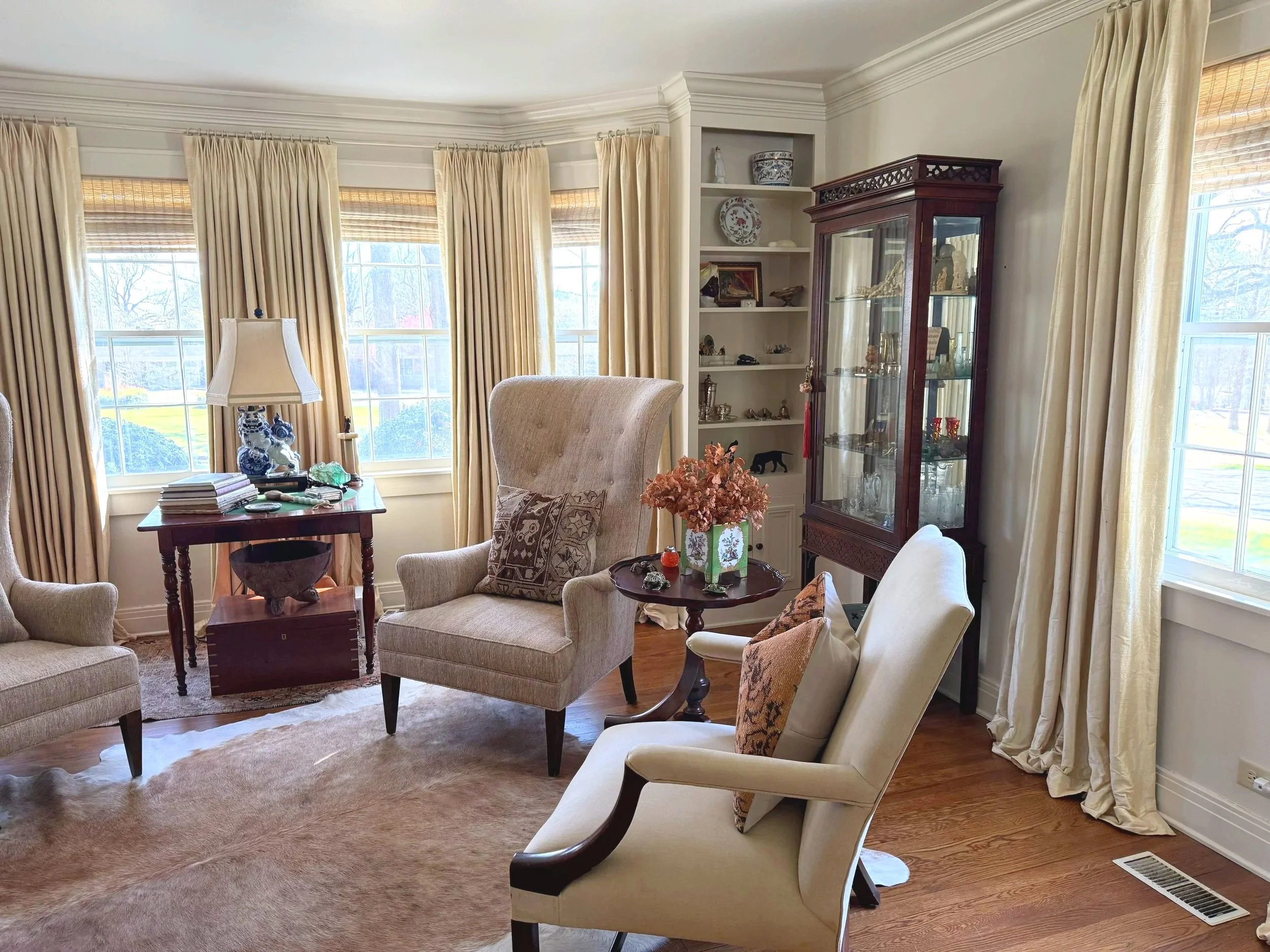
There are plenty of interior paints that perform well. But every once in a while, a product has a particular look and feel that makes it stand out.
For us, Sherwin-Williams Cashmere® Interior Acrylic Latex is one of those paints.
Cashmere has become one of our favorite interior paints for residential repaints and general-use applications. It offers excellent hide, applies beautifully, and leaves behind a smooth, velvety finish that really does live up to the Cashmere name.
What Is Sherwin-Williams Cashmere?
Cashmere is a premium interior acrylic latex paint from Sherwin-Williams designed especially well for residential spaces and repaint work.
Sherwin-Williams describes it as an ultra-smooth, high-hiding coating with good flow and leveling characteristics. It’s designed to minimize the stipple and application marks that can sometimes be left behind by a roller or brush.
Those specifications are nice on paper—but they’re also where our experience with Cashmere has been particularly positive.
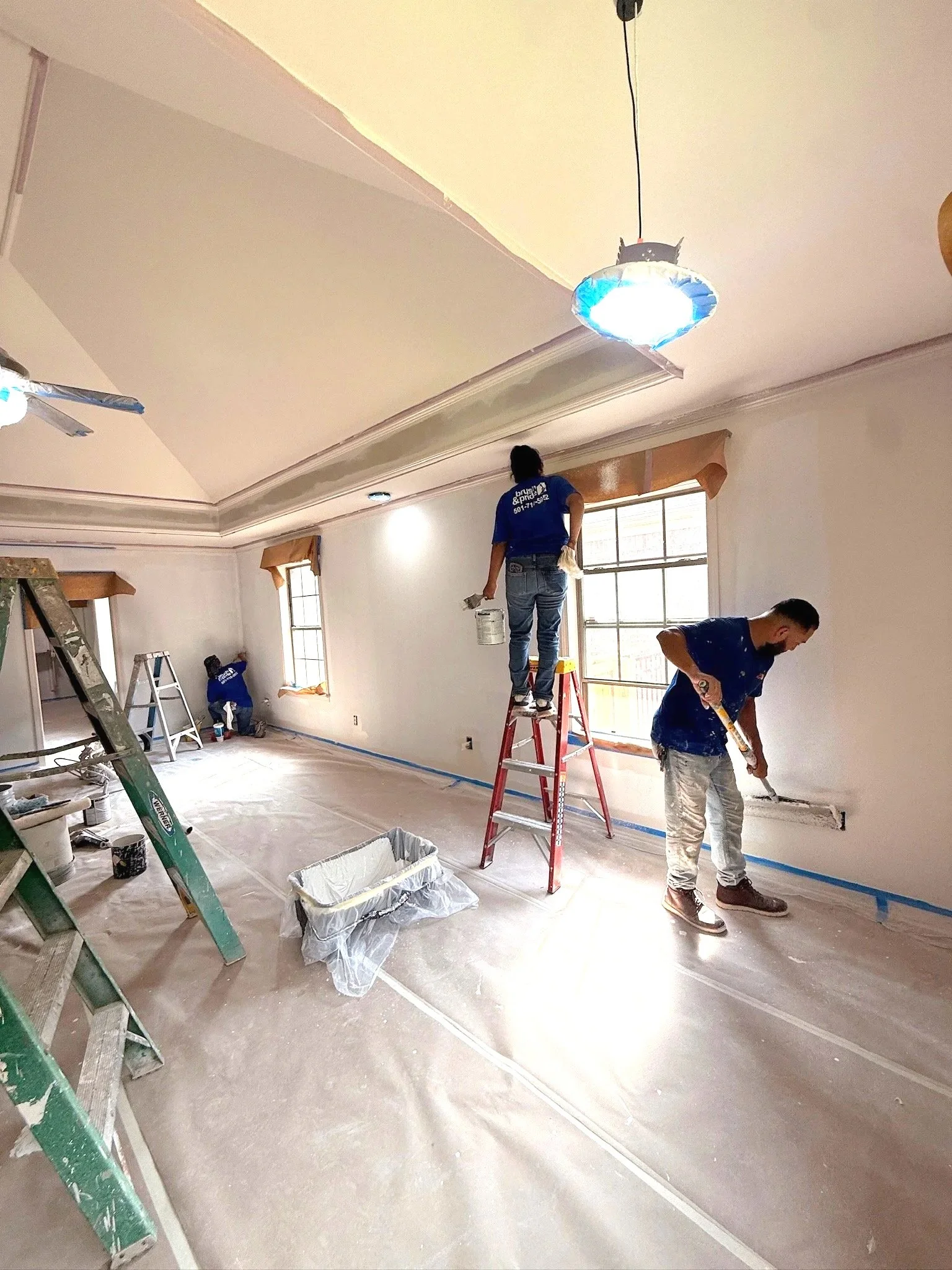
One of Our Favorite Things About Cashmere: The Hide
One of the first things we notice when working with an interior paint is how well it covers.
Cashmere has excellent hide.
That doesn’t mean we’re suggesting every repaint will cover perfectly in one coat. Color changes, existing wall conditions, repairs, and the colors you’re working with all affect coverage.
But as a general-purpose repaint product, Cashmere performs extremely well. It has good body, lays down nicely, and provides the kind of coverage we want from a quality interior wall paint.
For professional painters, those characteristics also make the product enjoyable to work with.
The Finish Is Where Cashmere Really Stands Out
The name “Cashmere” is actually a pretty good description of what makes this paint different.
Once dry, the finish has a soft, velvety appearance and texture.
Sherwin-Williams describes Cashmere as having a silky, low-stipple appearance. That’s consistent with what we’ve seen in the field. It flows and levels nicely and leaves walls looking smooth rather than heavily textured from the roller.
There’s also a subtle richness to the finish.
It isn’t simply about how much light the paint reflects. It’s the overall appearance of the painted surface. When light moves across a wall painted with Cashmere, the finish has a soft luster that can give the wall a more refined appearance.
That’s probably our favorite characteristic of the product.
Even Cashmere Flat Has Some Luster
There is one characteristic homeowners should understand before choosing Cashmere: its Flat finish isn’t what we would consider an ultra-flat appearance.
Sherwin-Williams officially describes Cashmere Flat as having a non-reflective appearance. In our experience using the product, however, we would still describe the finished surface as having a subtle low luster.
That’s not a criticism.
In fact, we really like it on walls.
That slight luster contributes to the soft, velvety appearance that makes Cashmere distinctive. Instead of looking completely dead or chalky, the wall has a little visual depth.
For living rooms, bedrooms, hallways, dining rooms, and other general interior wall applications, it can produce a beautiful finish.
Would We Use Cashmere Flat on a Ceiling?
Usually, not if the goal is a truly flat ceiling.
Ceilings are one place where minimizing reflected light is often desirable. An ultra-flat coating helps reduce the appearance of drywall imperfections, seams, patches, and other irregularities when light travels across the surface.
Because Cashmere Flat still has that subtle richness and luster in our experience, it wouldn’t necessarily be our first choice when we’re specifically looking for a dead-flat ceiling.
For that application, we would lean toward a dedicated Sherwin-Williams ceiling flat paint.
Cashmere Flat, on the other hand, is a finish we particularly like on walls.
Application and Leveling
Another reason we enjoy working with Cashmere is simply how it applies.
It has a smooth, almost buttery application characteristic. Good flow and leveling help reduce heavy roller stipple and visible brush or roller marks, contributing to a more uniform finished surface.
That’s particularly valuable on repaints, where you’re often working with walls that already have multiple coats of paint and varying amounts of existing texture.
No paint eliminates the need for good preparation or proper application technique. But a coating that flows and levels well certainly helps produce a better-looking finished product.
Is Sherwin-Williams Cashmere a Good Paint?
Based on our experience using it professionally, yes.
Cashmere is one of our favorite Sherwin-Williams interior wall paints, particularly for residential repainting and general-use applications.
We like it because of its:
Excellent hide and coverage
Smooth application
Good flow and leveling
Low-stipple appearance
Soft, velvety finish
Subtle luster and visual depth
There are situations where another product may make more sense. If we want an extremely flat ceiling, for example, we’d choose a dedicated ceiling paint rather than Cashmere.
But for interior walls?
Cashmere is a product we’re very comfortable recommending.
Does Cashmere Live Up to Its Name?
We think it does.
Paint names are usually marketing. In this case, though, “Cashmere” is a surprisingly accurate description of the finished product.
It’s smooth. It’s soft-looking. It has a subtle richness to the finish. And when it’s applied properly, the walls have a velvety appearance that distinguishes it from a typical interior wall paint.
For homeowners looking for a quality interior repaint product that provides good hide while leaving behind a refined finish, Sherwin-Williams Cashmere deserves serious consideration.