Why Surface Repair Matters: The Foundation of Appearance and Long-Term Paint Performance
Peeling paint and visible cracks are more than just surface issues—they signal deeper problems that affect paint adhesion and long-term paint performance. Without proper surface repair, moisture intrusion and wood rot can undermine both the look and durability of your paint. Understanding how prep and primer work together, along with careful drywall repair and caulking, sets the foundation for lasting results. This post explains why thorough surface preparation for painting matters and how Brush & Pride approaches each project with detailed care. Contact our team to discuss your project. Learn more about the process.
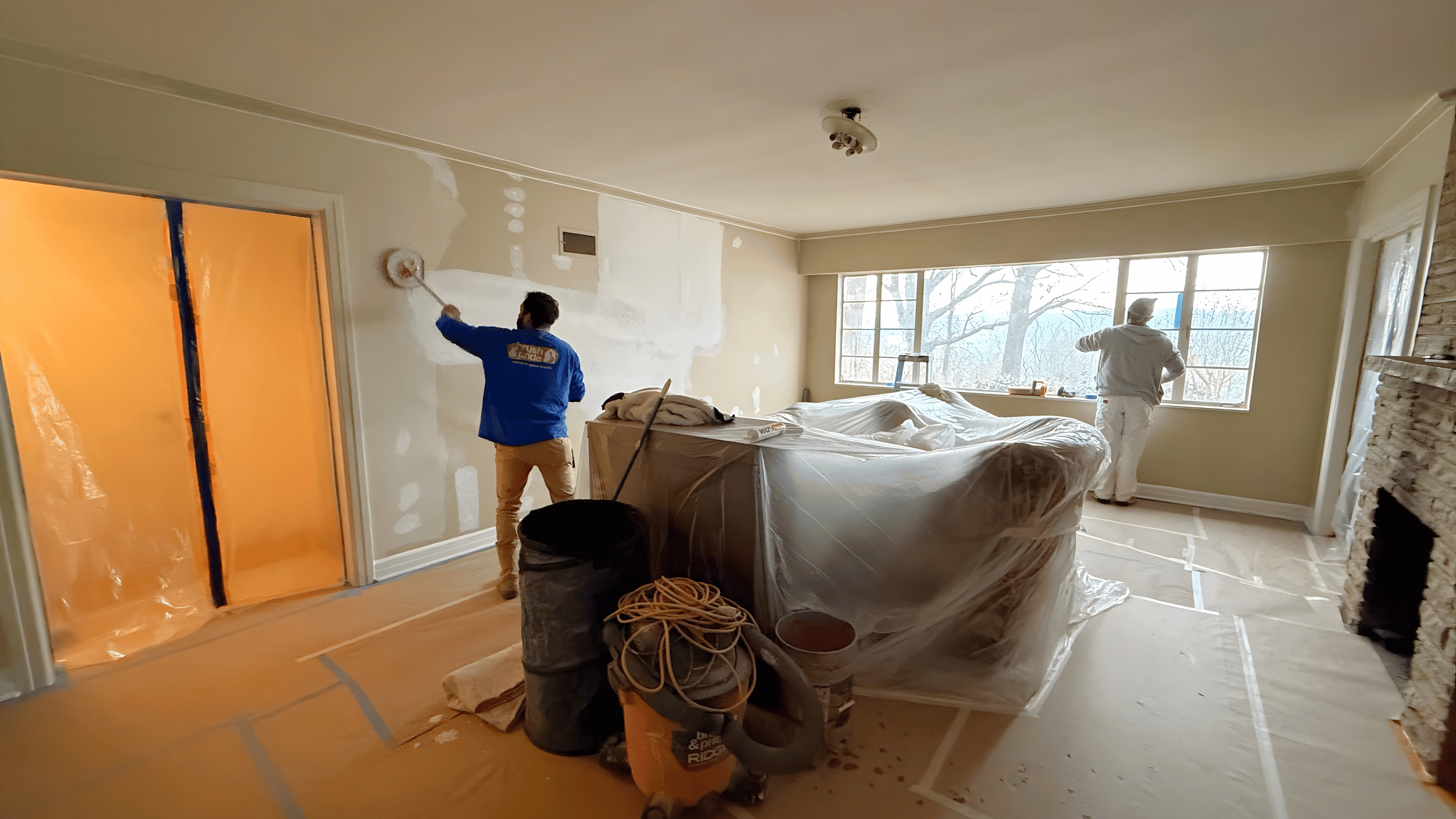
Importance of Surface Repair
Surface repair is the unsung hero of a successful painting project. It directly influences how well the paint adheres and how long it lasts, moving beyond mere aesthetics to create a durable finish.
Impact on Paint Adhesion
Paint adhesion is critical for a smooth, lasting finish. When surfaces are not properly repaired, paint can peel or blister. This happens because the paint has less to cling to when there are cracks or defects. Imagine painting over a bumpy surface. The paint struggles to hold, eventually flaking off. By addressing these issues first, you set the stage for paint that stays put, enhancing the overall look.
Moisture intrusion is another risk if surfaces aren't sealed correctly. Water can seep into the substrate, which affects the paint's grip. This is why a thorough assessment of your walls is crucial before any paint touches them. Identifying problem areas lets you tackle them early on, ensuring that your new paint job will not just look great but also last longer.
Enhancing Long-Term Paint Performance
Long-term performance is what truly matters in a painting project. Without solid surface repair, you may face repainting sooner than expected. This can be costly and frustrating. Proper repair means addressing issues like wood rot and drywall imperfections from the start. When you fix these, you improve not just the appearance but also the functional quality of the walls.
Repairing surfaces helps in creating a protective barrier against elements like moisture and sunlight that can degrade paint over time. This is especially important in places like Central Arkansas, where weather conditions can be harsh. A professional approach to surface repair ensures that your paint job performs well year after year.
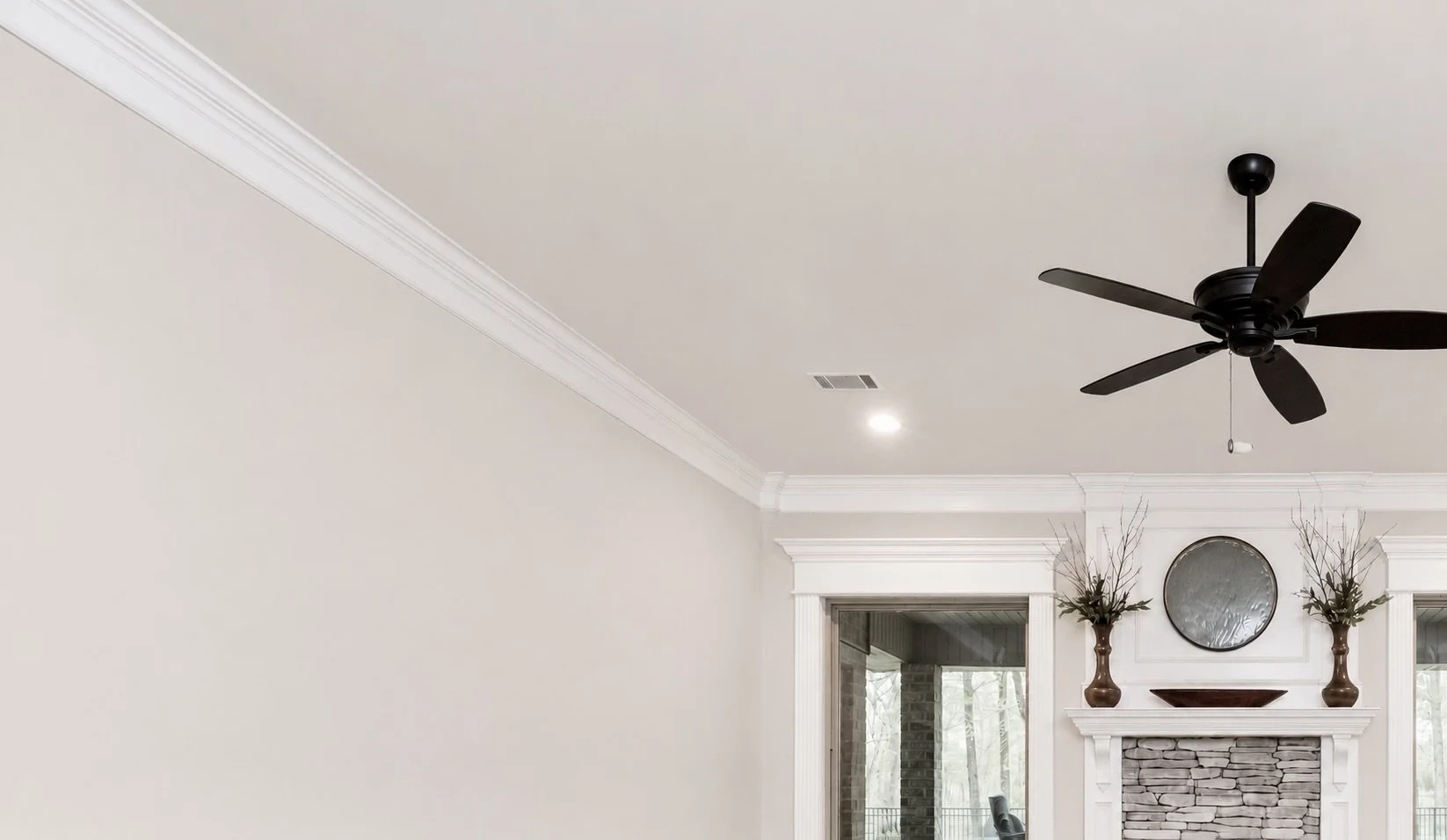
Comprehensive Repair Process
At Brush & Pride, we believe in a meticulous repair process. This ensures the longevity and beauty of your paint, providing peace of mind for homeowners and partners alike.
Detailed Assessment and Repair Plan
Our repair process begins with a detailed assessment. We identify areas that need attention, such as cracks, holes, or signs of rot. This step is crucial because it allows us to tailor a repair plan specific to your home’s needs. We document everything, from the smallest crack to larger issues, creating a clear path forward.
Once the assessment is complete, we develop a repair plan. This plan outlines the steps needed to prepare the surface, the materials we'll use, and the expected timeline. Having a clear plan reassures our clients that nothing is left to chance. This approach helps prevent future issues and ensures the paint adheres properly and looks flawless.
Techniques in Drywall and Wood Rot Repair
Repairing drywall and addressing wood rot are essential skills in our toolkit. For drywall, we fill holes and smooth out imperfections, aiming for a Level 5 finish. This level is the gold standard, ensuring your walls are perfectly smooth and ready for paint.
Wood rot is another common issue. Untreated, it can lead to serious structural problems. Our team addresses wood rot by removing affected areas and replacing them with sound material. This not only stabilizes the structure but also provides a solid base for painting. These steps ensure your paint job is not only beautiful but also structurally sound and durable.
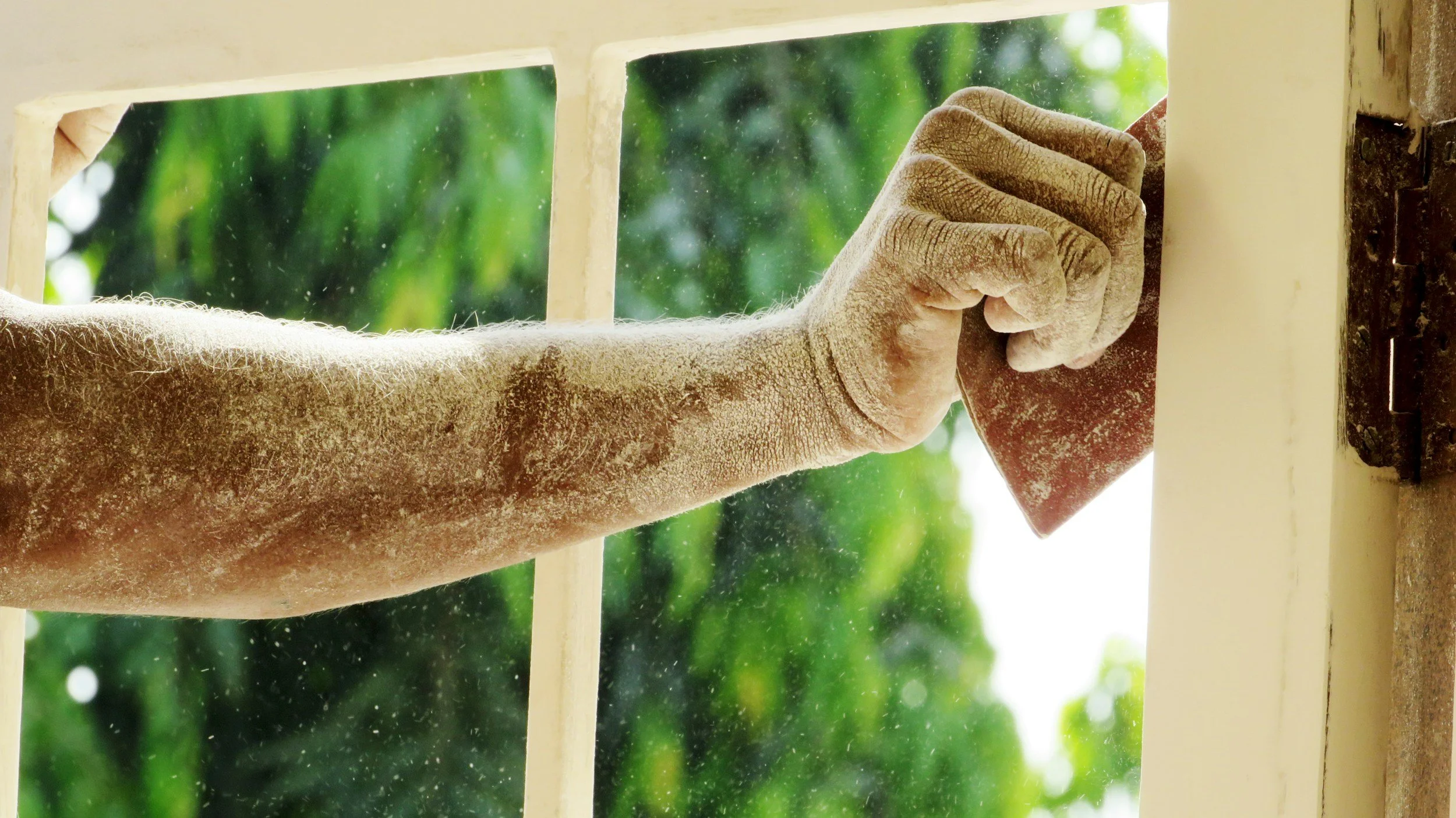
Preparing for Painting Success
Preparation is key to a successful painting project. By focusing on prep and primer, as well as caulking and sealing, we lay the groundwork for exceptional results.
Role of Prep and Primer
Prep and primer are foundational elements in painting. The prep phase involves cleaning and smoothing surfaces, ensuring they are free from dust and debris. A clean surface is crucial for the primer to adhere properly, which in turn allows the paint to stick effectively.
Using a stain-blocking primer is particularly important. It seals the surface, preventing stains from bleeding through. This step is especially crucial in older homes or areas with high moisture levels. The right primer ensures that the paint looks vibrant and lasts longer, even in challenging environments.
Importance of Caulking and Sealing
Caulking and sealing are often overlooked but play a vital role in paint performance. Properly sealed surfaces prevent moisture intrusion, a common cause of peeling paint. We apply caulking around windows, doors, and other openings to create a barrier against water.
Sealing gaps also helps in energy efficiency, reducing drafts and improving insulation. This step not only protects your paint job but also contributes to a more comfortable home environment. By investing time in quality caulking and sealing, we enhance both the appearance and functionality of your space.
Frequently Asked Questions
How does surface repair affect paint adhesion?
Surface repair is crucial for paint adhesion. If surfaces are not properly prepared, paint can blister or peel due to inadequate grip. Repairing cracks and imperfections ensures that paint adheres smoothly and lasts longer.
Why is primer important in painting?
Primer is essential as it prepares the surface for paint, ensuring better adhesion. It also blocks stains and provides a uniform base for the paint, which enhances its durability and appearance.
What role does caulking play in painting projects?
Caulking seals gaps and prevents moisture intrusion, which can lead to peeling paint. It also improves energy efficiency by reducing drafts. Proper caulking is key to maintaining a long-lasting paint job.
How do you address wood rot before painting?
We remove affected wood and replace it with sound material. This stabilizes the structure and provides a solid foundation for painting, ensuring a durable and aesthetically pleasing finish.