Why Preparation Matters for Exterior Repaints in Central Arkansas
Surface preparation is often the overlooked step that determines how well an exterior repaint holds up in Central Arkansas. Without proper scraping and sanding, pressure washing, and careful caulking and sealing, paint can peel or chalk quickly under the region’s UV and humidity challenges. In this post, you’ll see why a professional painting process focused on these details creates a durable exterior finish you can trust. Contact our team to discuss your exterior repaint. Request an estimate and learn more about the process.
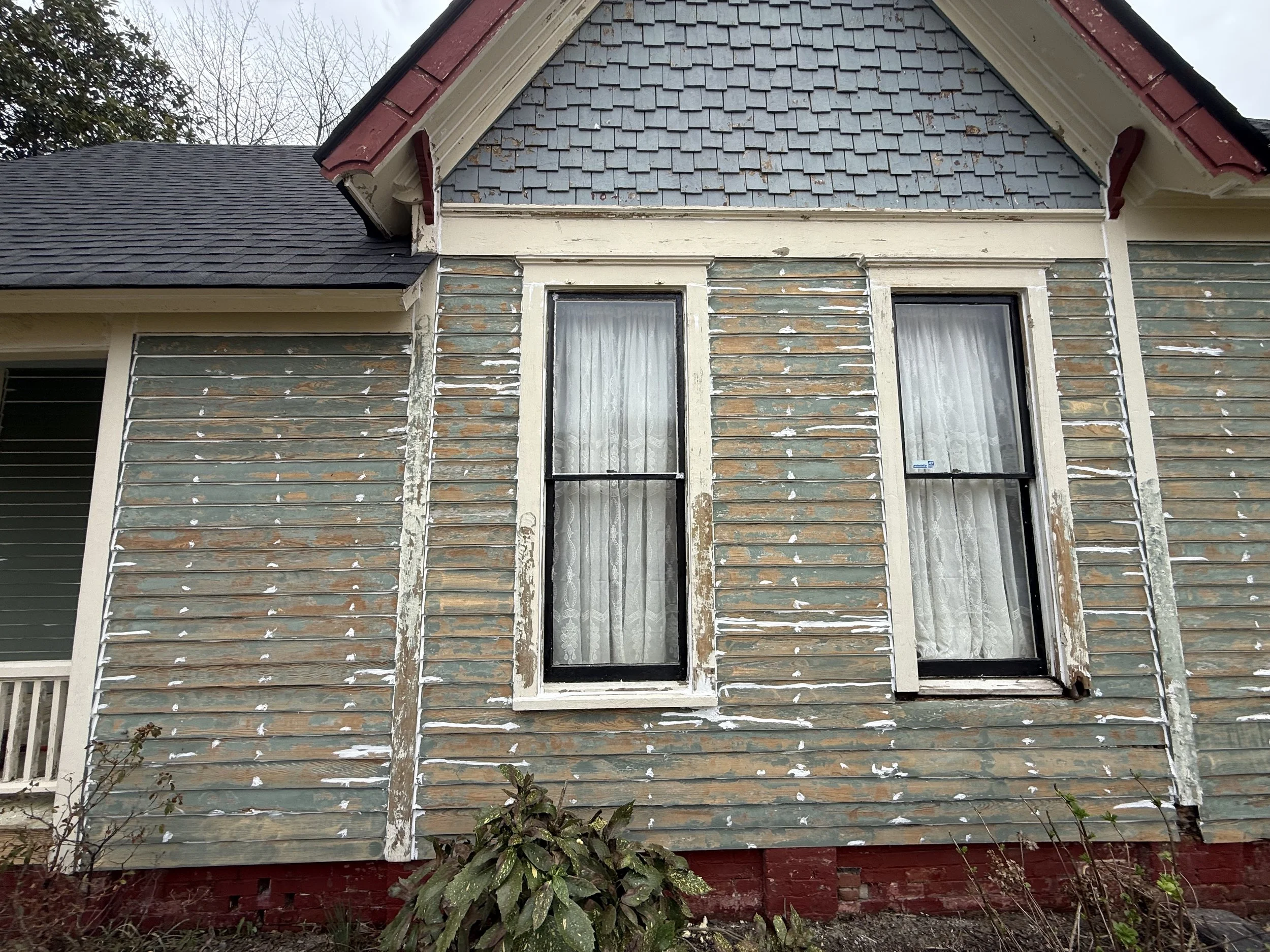
Importance of Surface Preparation
Proper preparation is crucial for a lasting paint job. It helps paint stick better and prevents future issues. You might think a quick wash is enough, but there's more to consider.
Ensuring Paint Adhesion
A strong bond between the paint and the surface ensures the paint stays put. Without it, you might see peeling. Surface preparation includes cleaning off dirt and grime so the paint can hold on tight. This step isn't just about looks; it keeps the paint from flaking off in the future.
Imagine a wood deck. If not cleaned and prepped, the paint won't last a season. Clean surfaces mean the paint holds on longer. It’s not about rushing the job. Time spent preparing leads to less worry later.
Addressing Peeling and Chalking Paint
Peeling and chalking are signs of poor preparation. When paint peels, it leaves your home exposed. Chalking leaves a powdery residue that looks bad and wears out the paint faster. These issues need addressing upfront to avoid costly fixes later.
Peeling usually happens with improper prep or inferior materials. Scraping and sanding are key to tackling this. They remove loose paint and create a smooth base. For chalking, a thorough wash is essential.
Managing UV and Humidity Effects
Central Arkansas's climate can be harsh. UV rays and humidity are tough on exterior finishes. Without proper preparation, paint can crack or fade. Protecting your home involves understanding these elements.
A good primer can shield against UV damage. Meanwhile, sealing helps combat humidity. These steps aren't just additions; they're essential for durability.
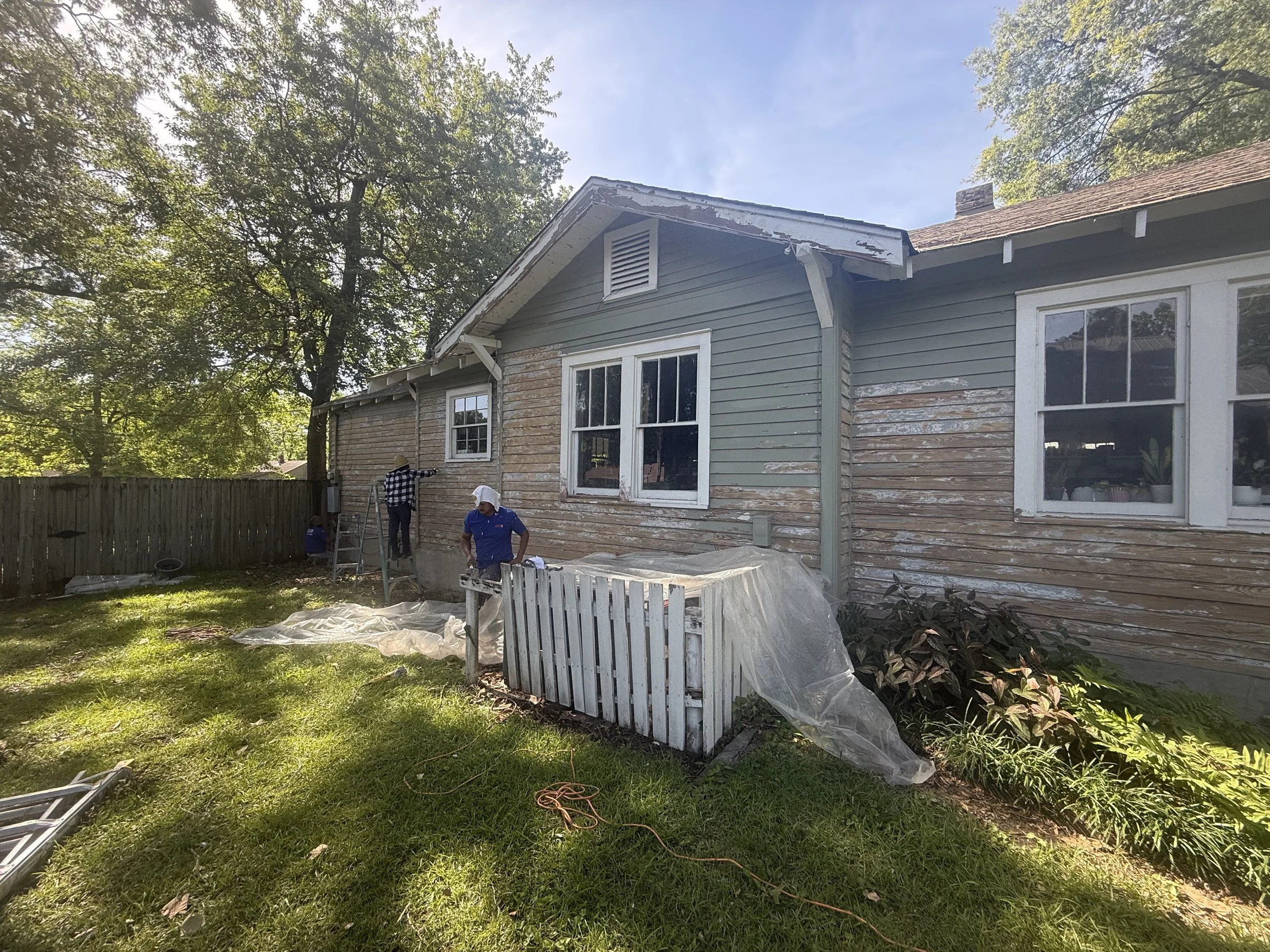
Steps in Professional Painting
Now, let's explore the steps involved in a professional painting process. Each step plays a role in ensuring a high-quality finish.
Comprehensive Pressure Washing
Pressure washing removes dirt and mildew. It’s a vital first step in the painting process. Without it, grime can interfere with paint adhesion, leading to early failure.
Think of it as washing a car before applying wax. A clean surface ensures the paint bonds well. This step sets the stage for a lasting finish. Without it, the paint might peel or crack.
Targeted Mildew Treatment
Mildew can ruin paint jobs. Treating it early is crucial. Mildew often lurks in damp, shaded areas. A targeted treatment keeps it from growing under the paint.
Spot treatments work best. They focus on problem areas without damaging the surroundings. Mildew must be dealt with before painting begins. It’s a small step with a big impact.
Scraping and Sanding Techniques
Scraping and sanding ensure a smooth surface. They remove old, flaking paint and smooth rough edges. These techniques create a perfect canvas for new paint.
Consider a worn-out fence. Without scraping and sanding, new paint won’t stick well. These techniques are essential for long-lasting results. They might take time, but they prevent future issues.
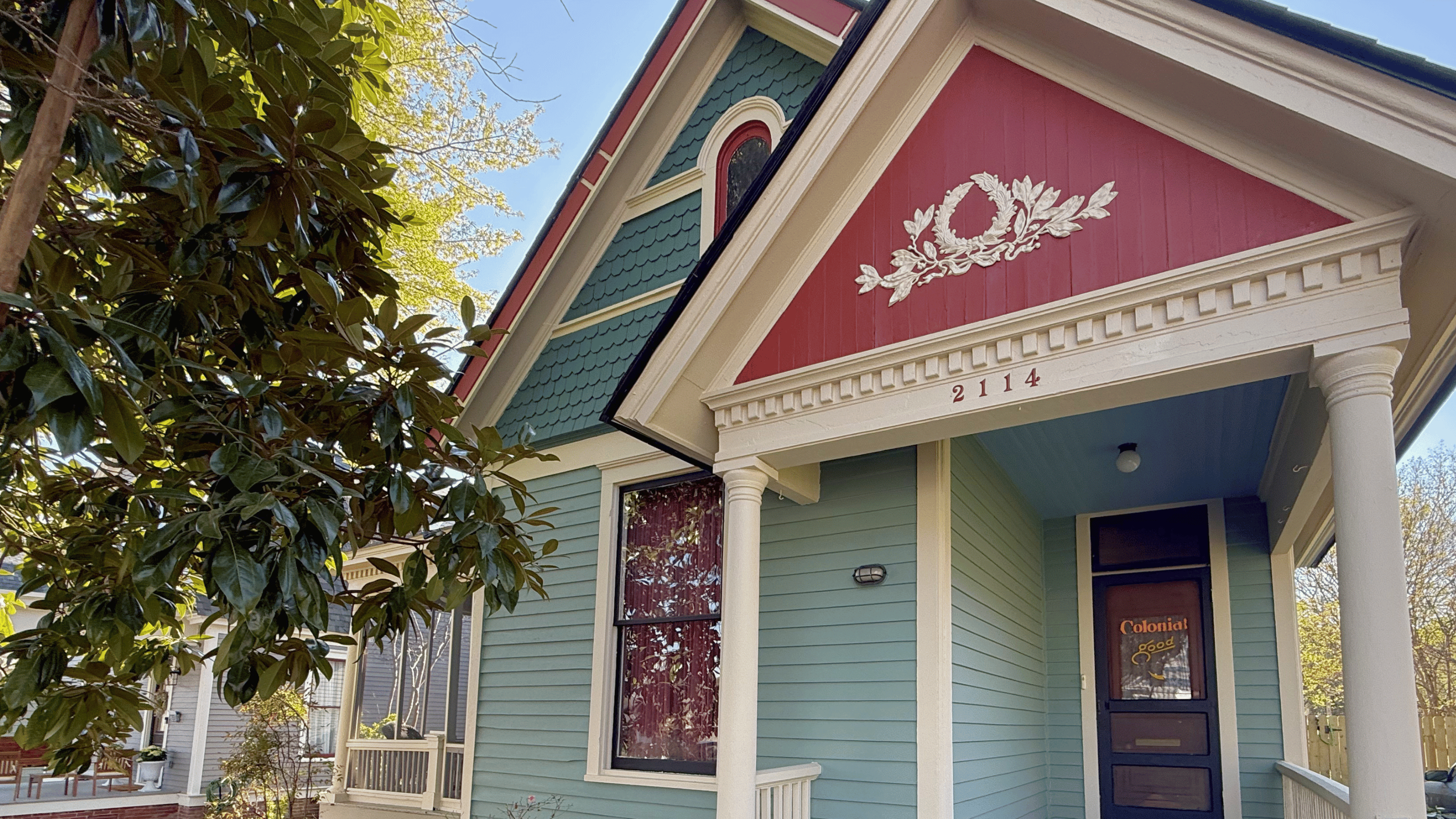
Achieving a Durable Finish
With the right foundation, achieving a durable finish becomes possible. It’s more than just applying paint; it’s about protection and longevity.
Exterior Primer Selection
Choosing the right primer is critical. It acts as a barrier against moisture and sun. An effective primer enhances paint adhesion, especially on porous surfaces like wood.
A quality primer reduces the need for multiple paint coats. It saves time and ensures even coverage. Selecting the right primer is a small decision with significant benefits.
Effective Caulking and Sealing
Gaps and cracks invite moisture. Caulking and sealing prevent water from seeping in. This step protects your home from potential water damage.
Think of windows and doors as entry points for moisture. Proper sealing keeps them secure. It’s a step that enhances the integrity of your paint job.
Specialized Wood Rot Repair
Wood rot can compromise the entire structure. Addressing it before painting is essential. Repairing rot prevents it from spreading and ensures a solid base for paint.
Ignoring rot leads to bigger problems. Specialized repair techniques ensure the wood is sound. This step is about safeguarding the structure, not just the surface.
The longer you wait to address these areas, the more damage can occur. Proper preparation and attention to detail ensure your home looks great and stays protected. Learn more about what to expect from a professional painting process, and see the difference thorough preparation makes.