Why Interior Paint Lasts Longer with Professional Surface Preparation
Most interior paint problems start long before the first brushstroke. Without proper interior painting surface preparation, paint adhesion and bonding can fail, leading to peeling or flashing within months. Understanding how careful drywall repair, sanding, priming, and environmental controls contribute to a durable interior paint finish helps set realistic expectations for your project. In Central Arkansas, where humidity and timing matter, knowing what to expect from your painter’s process makes all the difference.
Importance of Professional Surface Preparation
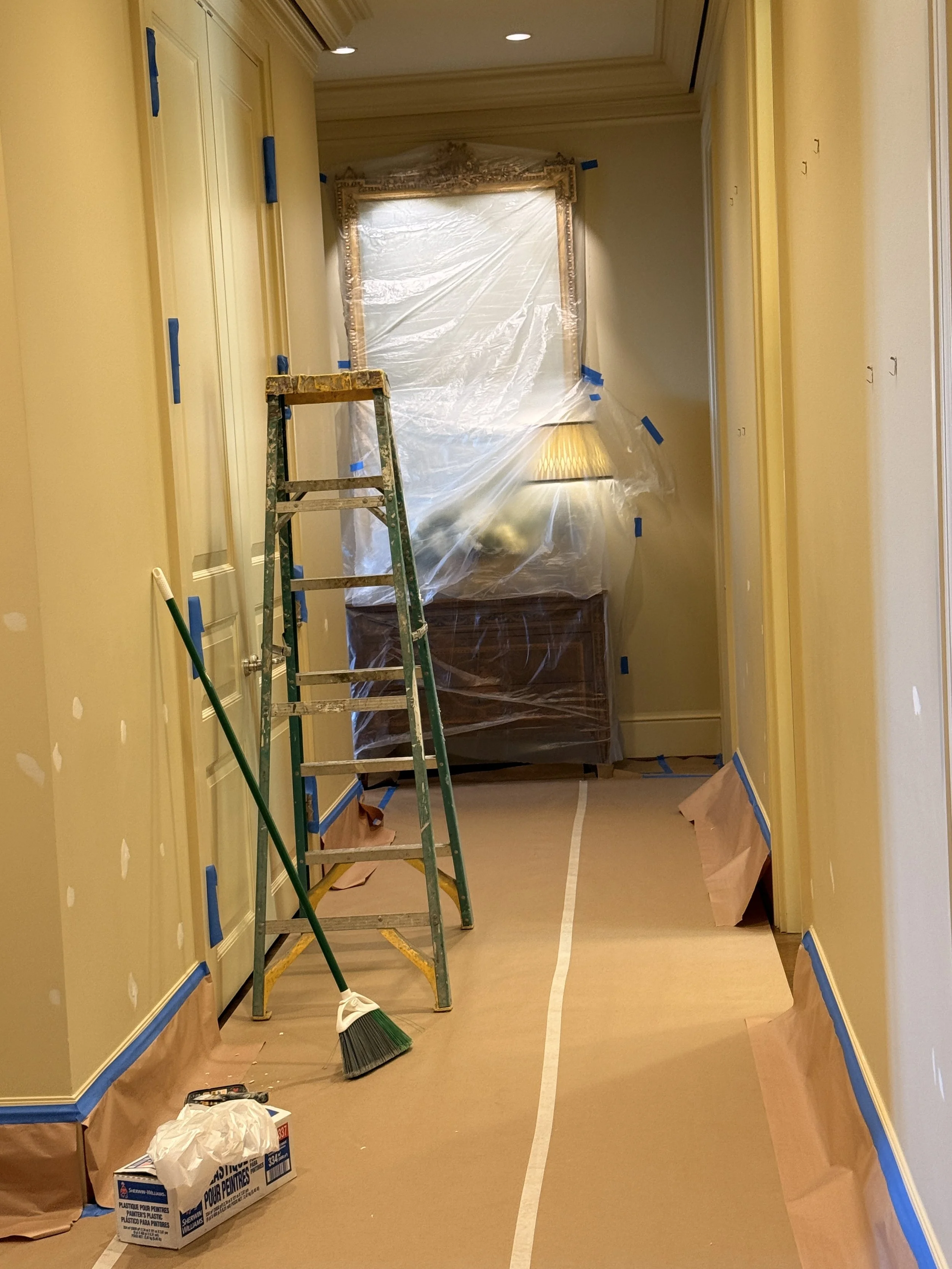
A professional approach to surface preparation ensures your interior paint projects stand the test of time. This goes beyond just applying paint; it involves creating a foundation for success.
Ensuring Durable Interior Paint Finish
A lasting paint finish begins with the right preparation. When surfaces are properly prepped, paint adheres better, reducing the risk of bubbling or peeling. This step saves you from future touch-ups and keeps your walls looking fresh longer. Think of it as laying the groundwork for a beautiful final product.
Preventing Peeling and Flashing
Peeling and flashing are common frustrations. They occur when paint doesn't stick well or dries unevenly. By focusing on thorough preparation, you can prevent these issues. Proper sanding and cleaning remove dirt and old paint layers, paving the way for a smooth application. This attention to detail makes a noticeable difference in your home's appearance.
Understanding "Clean and Sound" Surfaces
For paint to perform well, surfaces must be clean and sound. This means no dust, grease, or loose particles. A clean surface ensures the primer and paint bond effectively, creating a solid, lasting finish. This process might seem tedious, but it’s essential for achieving professional results.
Key Steps in Interior Painting Preparation
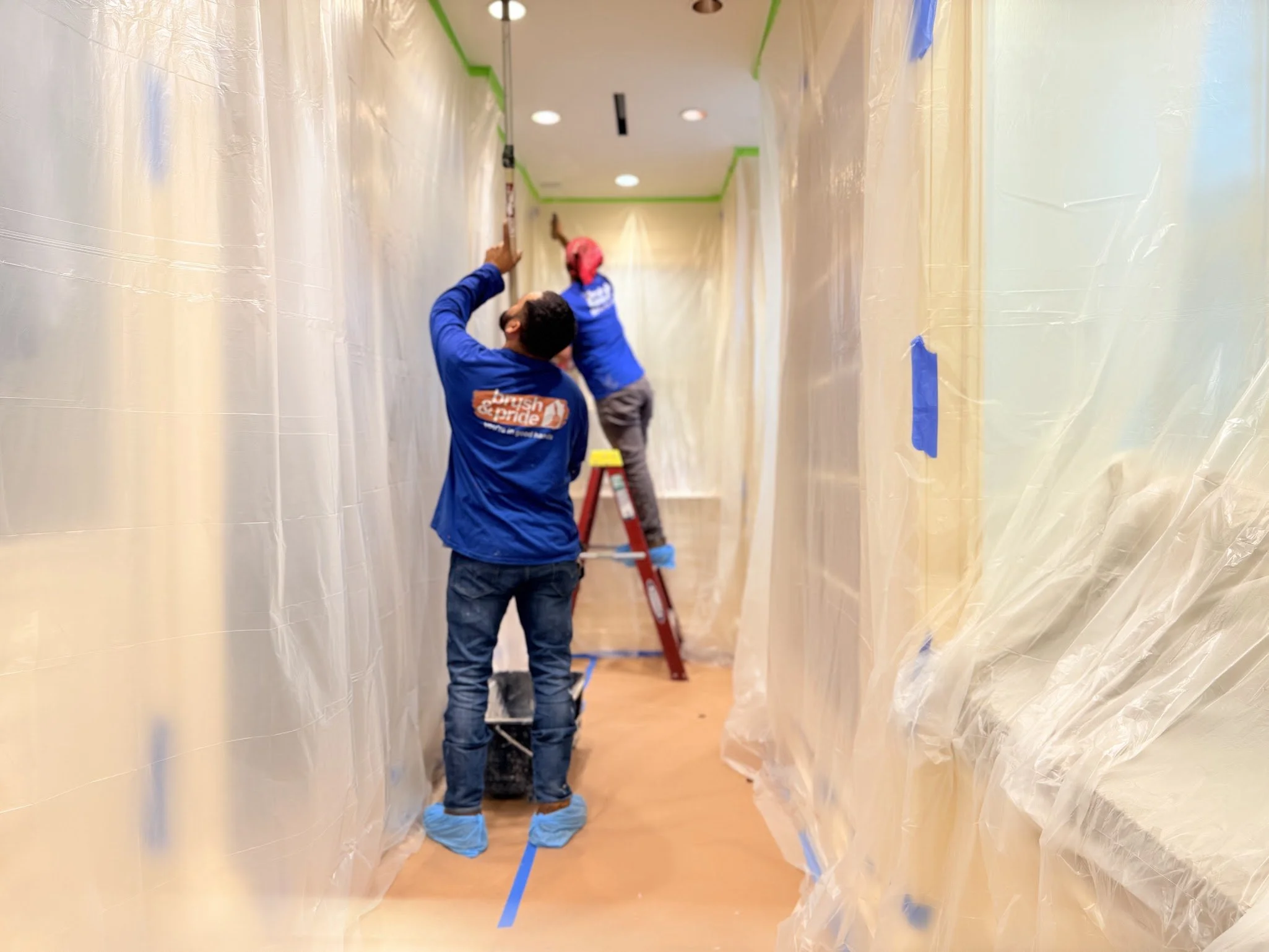
To ensure your paint job lasts, certain steps must be followed. Each one plays a crucial role in the overall quality of your project.
Assessment and Testing for Paint Adhesion
Before painting, it's vital to assess the surface. Testing for paint adhesion helps identify areas that need extra attention. This step involves applying a small patch of paint and checking its hold. If it doesn't stick well, further prep work is required. This simple test helps avoid larger issues down the line.
Cleaning, Deglossing, and Sanding Techniques
Cleaning removes contaminants that could interfere with paint adhesion. Deglossing and sanding then create a smooth surface for the paint. These techniques are essential for a flawless finish. By ensuring the surface is ready, you increase the lifespan of your paintwork.
Caulking and Gap Sealing for Smooth Surfaces
Gaps and cracks can disrupt the paint's evenness. Caulking and sealing these areas before painting ensures a uniform look. This step not only improves appearance but also protects against moisture, which can cause damage over time.
Factors Influencing Paint Durability
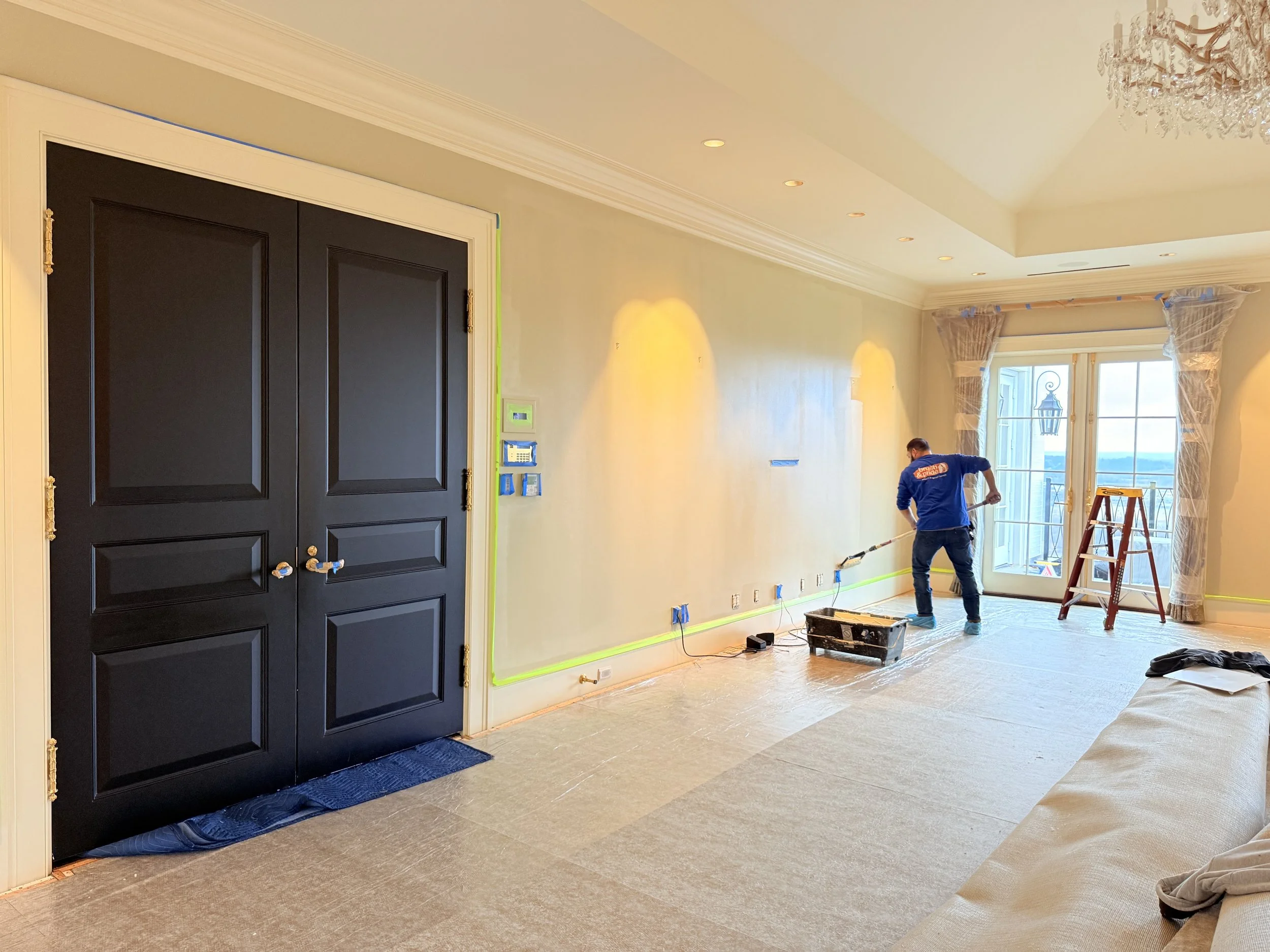
Several factors impact how long your paint job will last. Understanding these can help you make informed decisions about your project.
Primer Compatibility and Stain-Blocking Solutions
The right primer is crucial for a strong paint bond. Primers also block stains from showing through. Using a compatible primer ensures your paint adheres well and looks consistent. This adds an extra layer of protection for your walls.
Managing Humidity and Cure Time
Humidity affects how paint cures. High humidity can cause paint to dry improperly, leading to issues later on. By managing the environment, you ensure the paint cures correctly. This step is especially important in areas like Central Arkansas, where weather can vary.
Addressing Drywall Repair and Level 5 Finish Needs
Damaged drywall can ruin the final look of your paint job. Repairing these areas is essential for a smooth finish. For the highest quality, a Level 5 finish is recommended. This involves a skim coat over the drywall to ensure evenness. Proper repair and preparation are key to a lasting, professional result.
By following these steps, you ensure your interior paint project not only looks great but lasts for years to come. A careful approach to preparation makes all the difference in achieving the results you desire.