What Should I Look for When Choosing a Painting Contractor for My Home?

Choosing a painting contractor for your home should involve more than comparing prices or online star ratings. A reputable painting contractor should provide a clear scope of work, explain the preparation your home requires, identify the products and coating systems being used, carry appropriate insurance, explain how your property will be protected, and communicate how repairs or unexpected conditions will be handled.
Most importantly, homeowners should compare what is included in each painting estimate—not simply which contractor has the lowest price.
At Brush & Pride Painting, we believe an informed homeowner is better equipped to choose the right contractor, whether that ultimately means hiring us or someone else.
1. Start With the Scope of Work, Not Just the Price
One of the biggest mistakes homeowners can make when comparing painting estimates is assuming every contractor is pricing the same work.
They may not be.
Two painting contractors can evaluate the same home and recommend substantially different levels of preparation, repairs, protection, materials, and application procedures.
For example, one exterior painting estimate might include extensive scraping, sanding, caulking, spot priming, minor repairs, protection of surrounding surfaces, and multiple finish coats where required.
Another estimate may include considerably less preparation.
The prices will naturally be different because the scopes are different.
Before deciding that one contractor is expensive and another is inexpensive, ask:
What exactly am I receiving for this price?
A professional proposal should make that reasonably clear.
2. Ask What Surface Preparation Is Included
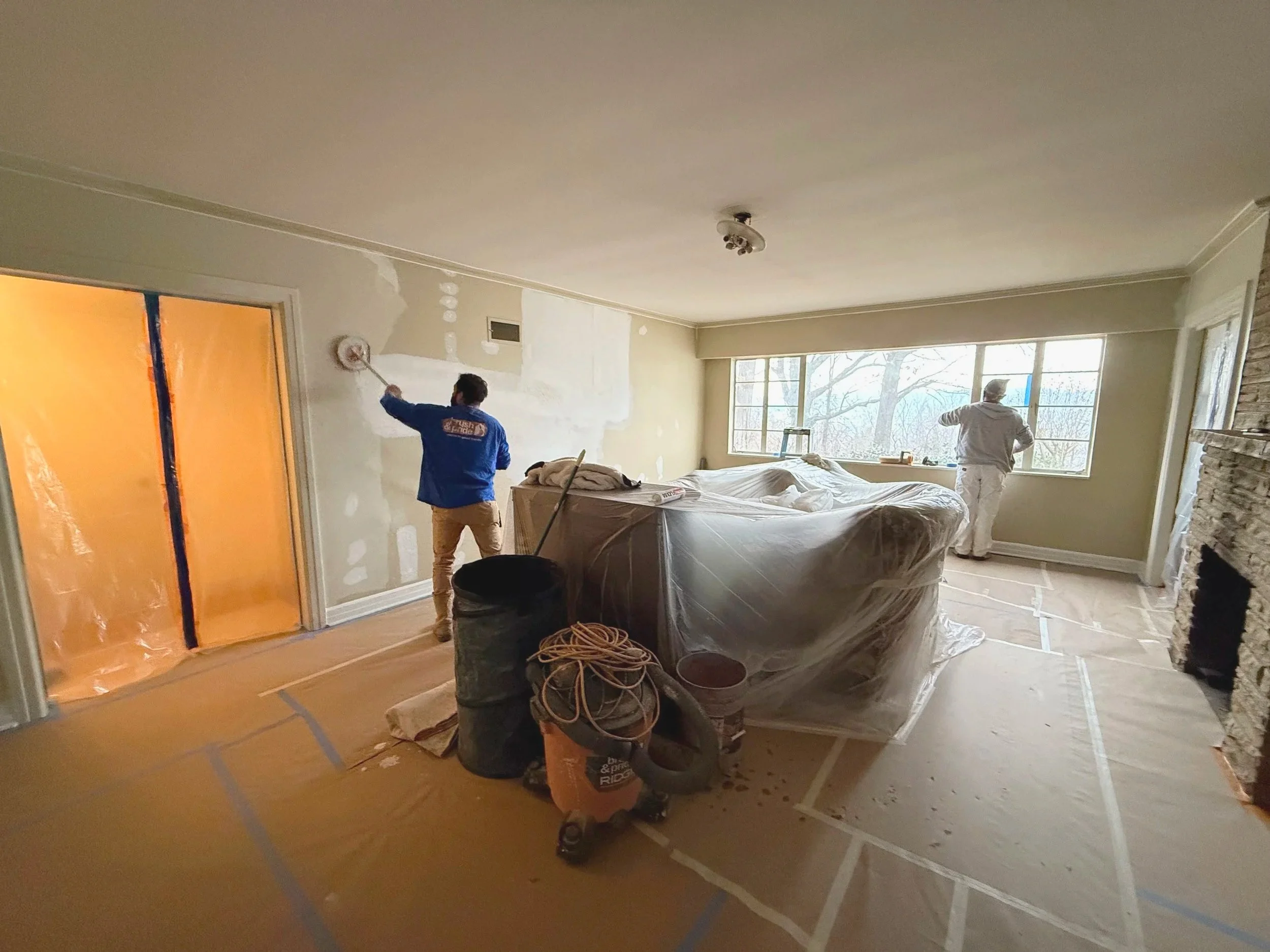
A quality paint job begins before the finish coat is applied.
Depending on the condition of the home and the surfaces being painted, preparation may involve cleaning, scraping loose coatings, sanding, caulking, patching, priming, repairing minor defects, masking, and protecting adjacent surfaces.
Not every home requires the same preparation.
That’s why homeowners should be cautious of a one-size-fits-all approach.
A contractor should evaluate the existing condition of the surfaces and recommend preparation appropriate for the project.
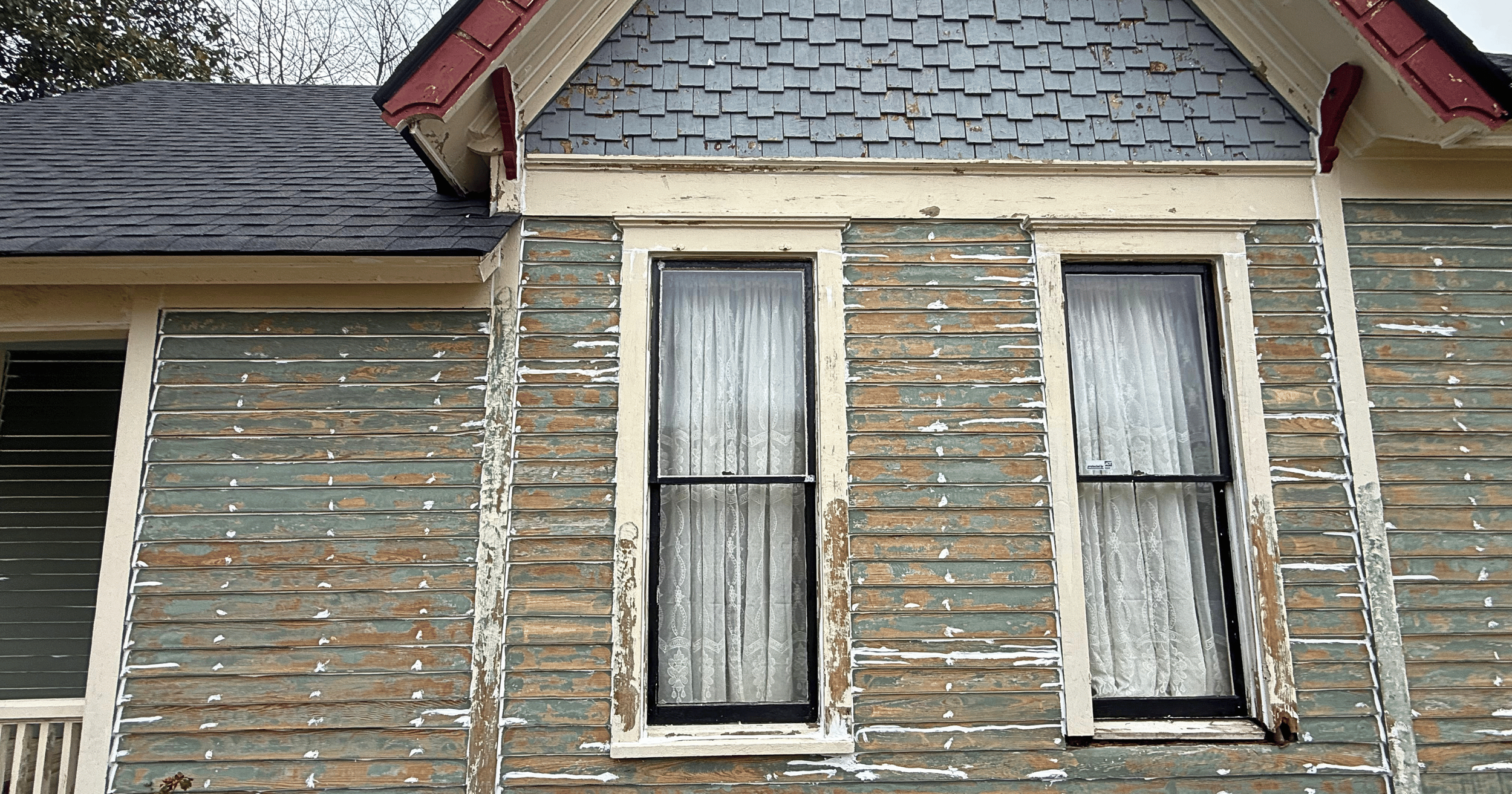
This is particularly important when dealing with older homes, previously failing coatings, weathered exterior surfaces, or areas that have been repaired or repainted multiple times.
3. Find Out What Happens When Problems Are Discovered
Paint can change the appearance of a surface, but it doesn’t correct every problem underneath it.
During preparation, contractors may uncover deteriorated wood, moisture damage, failed previous coatings, loose materials, old repairs, or other conditions that weren’t obvious during the initial estimate.
Ask the contractor what happens when those conditions are discovered.
Will the problem simply be painted over?
Will work stop so you can review the condition?
Can the contractor perform the repair?
Will additional work require your approval before proceeding?
A homeowner should understand how unexpected conditions and changes to the original scope will be communicated and authorized.
4. Understand the Coating System Being Proposed
Knowing the brand of paint is useful, but the brand alone doesn’t tell you everything about the coating system.
Different surfaces and conditions can require different primers, products, sheens, preparation procedures, and application methods.
Ask what products are being proposed and why they are appropriate for the surfaces being painted.
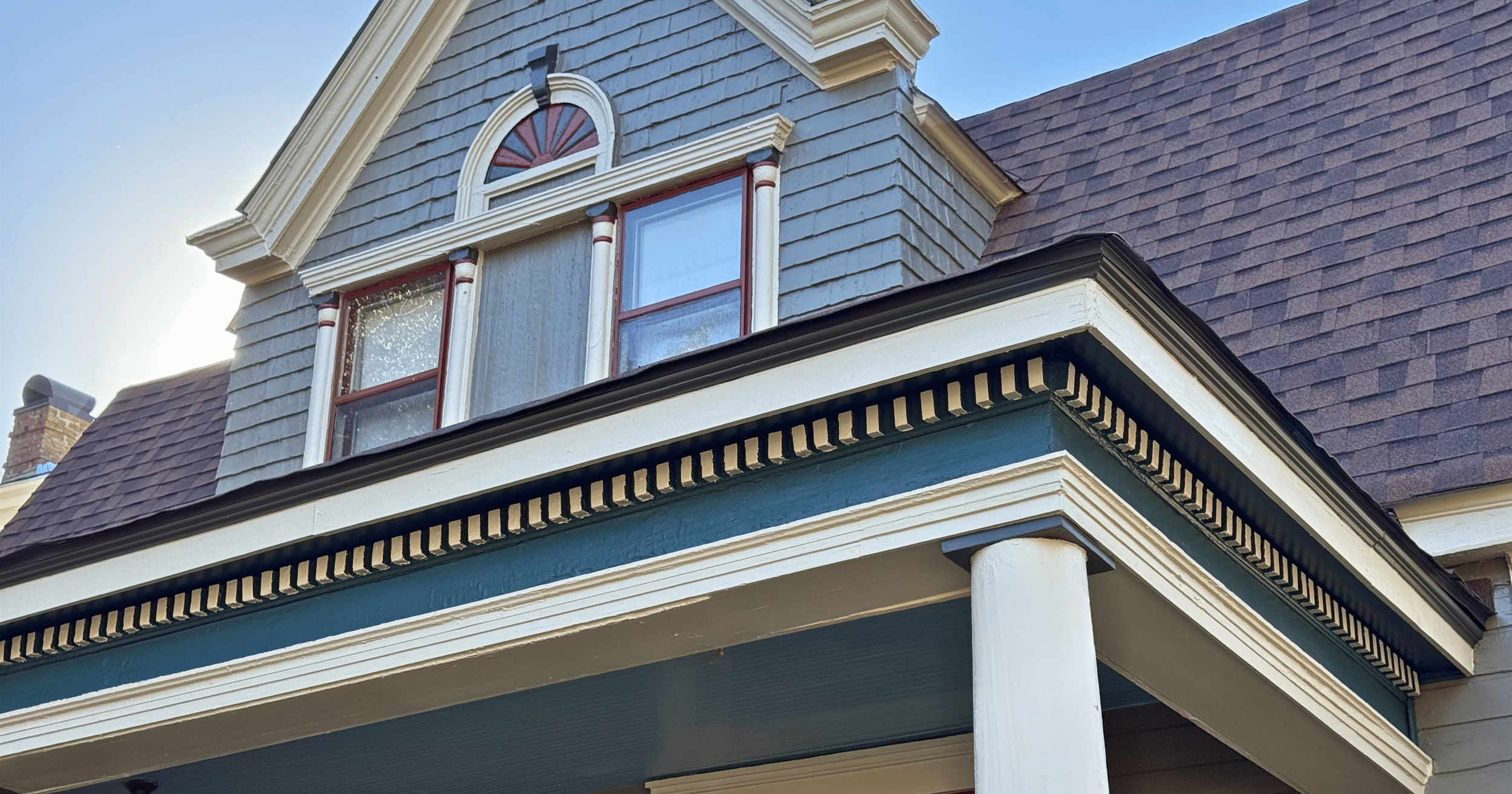
The objective shouldn’t simply be getting new paint onto the house. The coating system should be appropriate for the substrate, existing conditions, intended use, and desired finish.
5. Ask How Your Home and Property Will Be Protected
Painting work takes place around things you don’t want painted.
Inside the home, that can include flooring, furniture, countertops, fixtures, appliances, hardware, and other finished surfaces.
Outside, it can include roofing, windows, masonry, landscaping, driveways, sidewalks, decks, fixtures, and neighboring surfaces.
Ask how the contractor intends to protect the areas surrounding the work.
Preparation and protection may not be the most exciting parts of a painting project, but they’re important indicators of how a contractor approaches the job.
6. Look Beyond the Star Rating
Online reviews can be useful when evaluating a painting company, but don’t look only at the number of stars.
Read what customers actually say.
Look for patterns involving:
Communication
Reliability
Preparation
Cleanliness
Crew professionalism
Quality of the finished work
Respect for the property
How concerns or unexpected issues were handled
A contractor’s reputation is more meaningful when you understand why previous customers were satisfied.
7. Know Who Will Be Working in Your Home
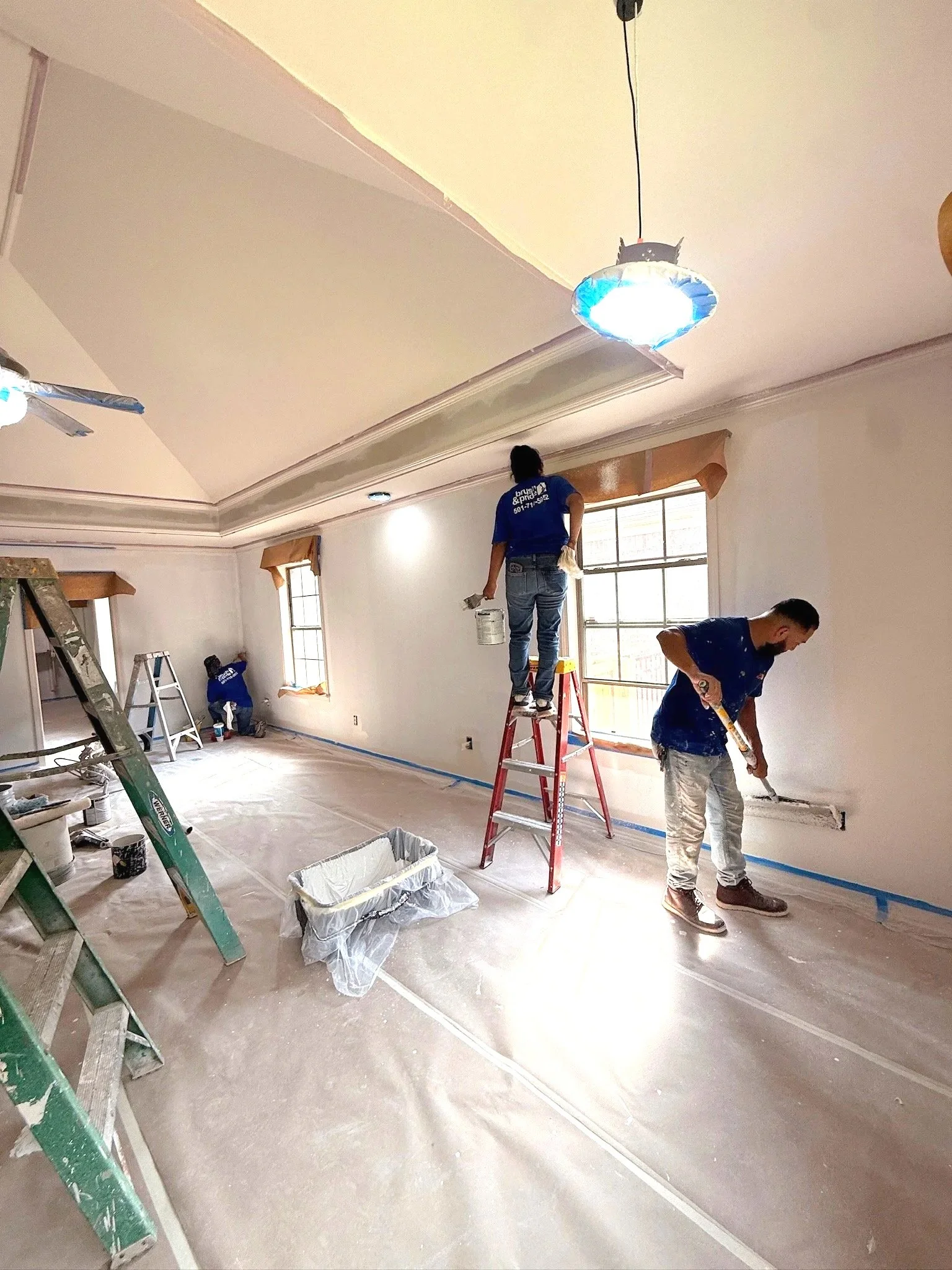
Ask who will actually perform and supervise the work.
Painting companies operate under different models. Some use employees, some use subcontractors, some are owner-operated, and others use combinations of different crews.
The business model itself doesn’t automatically determine the quality of the finished project.
What matters is understanding who is responsible for your project and who is accountable for quality control.
You should know who to communicate with if you have a question or concern once work begins.
8. Make Sure You’re Comparing Painting Estimates Fairly
If one contractor proposes a project for $9,000 and another proposes $14,000, that doesn’t necessarily mean one contractor is simply charging $5,000 more for the same work.
Look deeper.
Compare:
Surfaces included
Preparation included
Repairs included or excluded
Primer requirements
Paint and coating specifications
Number of coats where specified
Property protection
Cleanup
Project responsibilities
Warranty or workmanship terms
How additional work is handled
Only after understanding those differences can you make a meaningful price comparison.
The lowest estimate can sometimes be the right choice. The highest estimate isn’t automatically the best choice either.
The goal is to understand what you’re paying for.
What About Painting Older Homes in Little Rock?
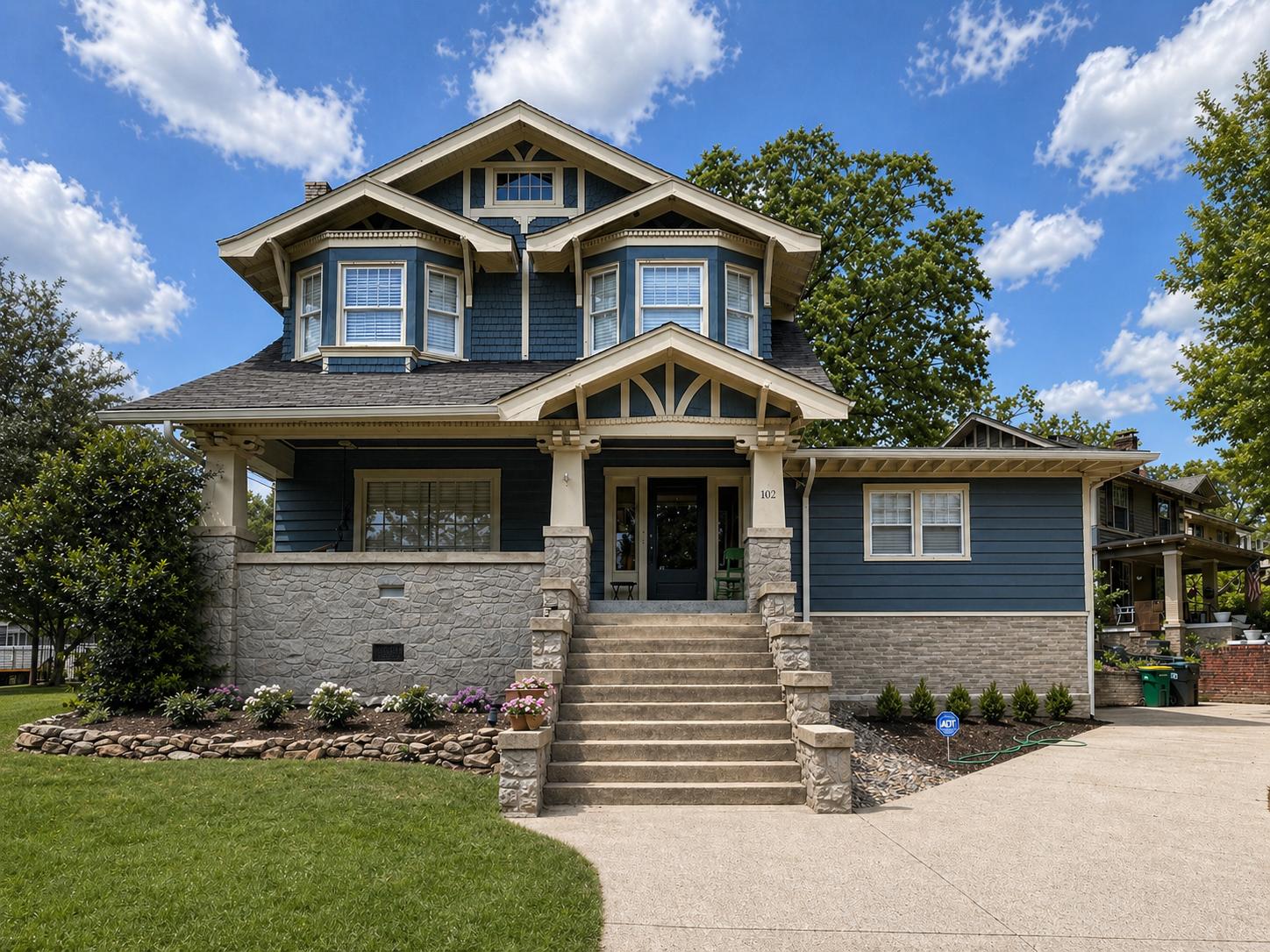
Homes throughout Little Rock and Central Arkansas can vary significantly in age, construction, materials, previous coatings, and maintenance history.
An older home in an established neighborhood such as Hillcrest or the Heights can present very different painting and restoration conditions from a newer home.
Older wood siding, windows, trim, previous repairs, multiple generations of coatings, and weather exposure can all affect how a project should be approached.
That’s why Brush & Pride believes the condition of the home should help determine the preparation and painting process rather than automatically applying the same specification to every house.
Preserving the character of an older home can also require understanding the difference between simply covering an existing surface and properly preparing it for another service life.
Is Brush & Pride Painting the Right Contractor for Your Project?
Brush & Pride Painting serves homeowners in Little Rock and throughout Central Arkansas.
We may be a good fit for homeowners who value detailed preparation, clear scopes of work, professional communication, careful protection of their property, appropriate coating systems, and attention to the condition of the surfaces being painted.
We also understand that we’re not necessarily the right contractor for every project.
If the primary objective is simply obtaining the lowest possible price regardless of differences in preparation, materials, repairs, or project scope, another contractor may be a better fit.
Our objective is to clearly understand the project, identify what we believe is required to complete it to our standards, and price the work accordingly.
Frequently Asked Questions
Should I get multiple painting estimates?
Getting multiple estimates can be helpful, particularly for a significant project. However, make sure you’re comparing the scope of work and not simply collecting prices. Ask each contractor what preparation, materials, repairs, protection, and responsibilities are included.
Why can painting estimates be so different?
Painting estimates can vary because contractors may have different labor requirements, preparation standards, repair allowances, materials, coating systems, business costs, and scopes of work. Two different prices don’t necessarily represent the same project.
Should I choose the cheapest painting estimate?
Not automatically. The lowest estimate may be perfectly appropriate if the contractor is proposing the scope and quality you’re looking for. Before deciding, determine whether lower pricing reflects greater efficiency or simply less work, preparation, protection, or different materials.
What should be included in a professional painting estimate?
A painting estimate should clearly identify the primary surfaces and work being proposed and provide enough information for the homeowner to understand the contractor’s responsibilities. Depending on the project, this may include preparation, repairs, coatings, protection, cleanup, exclusions, and procedures for additional work.
How do I know whether a painting company is reputable?
Consider multiple factors: customer reviews, insurance, communication, professionalism, clarity of the proposal, experience with your type of project, how questions are answered, and whether the contractor can clearly explain the work being proposed.
Looking for a Painting Contractor in Little Rock, Arkansas?
If you’re planning an interior painting, exterior painting, cabinet refinishing, or residential restoration project in Little Rock or Central Arkansas, Brush & Pride Painting can evaluate your project and help you understand the work involved.
Our goal isn’t simply to put a price on your project. It’s to clearly define what we’re proposing to do, why the work is necessary, and what you can expect if you choose Brush & Pride Painting.
Brush & Pride Painting Company
Residential Painting • Exterior Painting • Interior Painting • Cabinet Refinishing • Restoration
Little Rock & Central Arkansas