Cabinet refinishing isn’t just about applying a fresh coat of paint. The quality and durability of the finish depend heavily on what happens before the first brushstroke. From careful evaluation and cleaning to precise sanding and primer selection, every step prepares your cabinets for a lasting, furniture-grade result. Understanding this process helps set clear expectations and ensures your kitchen or bathroom cabinet refinishing project in Little Rock moves smoothly and reliably. Learn more about the process.
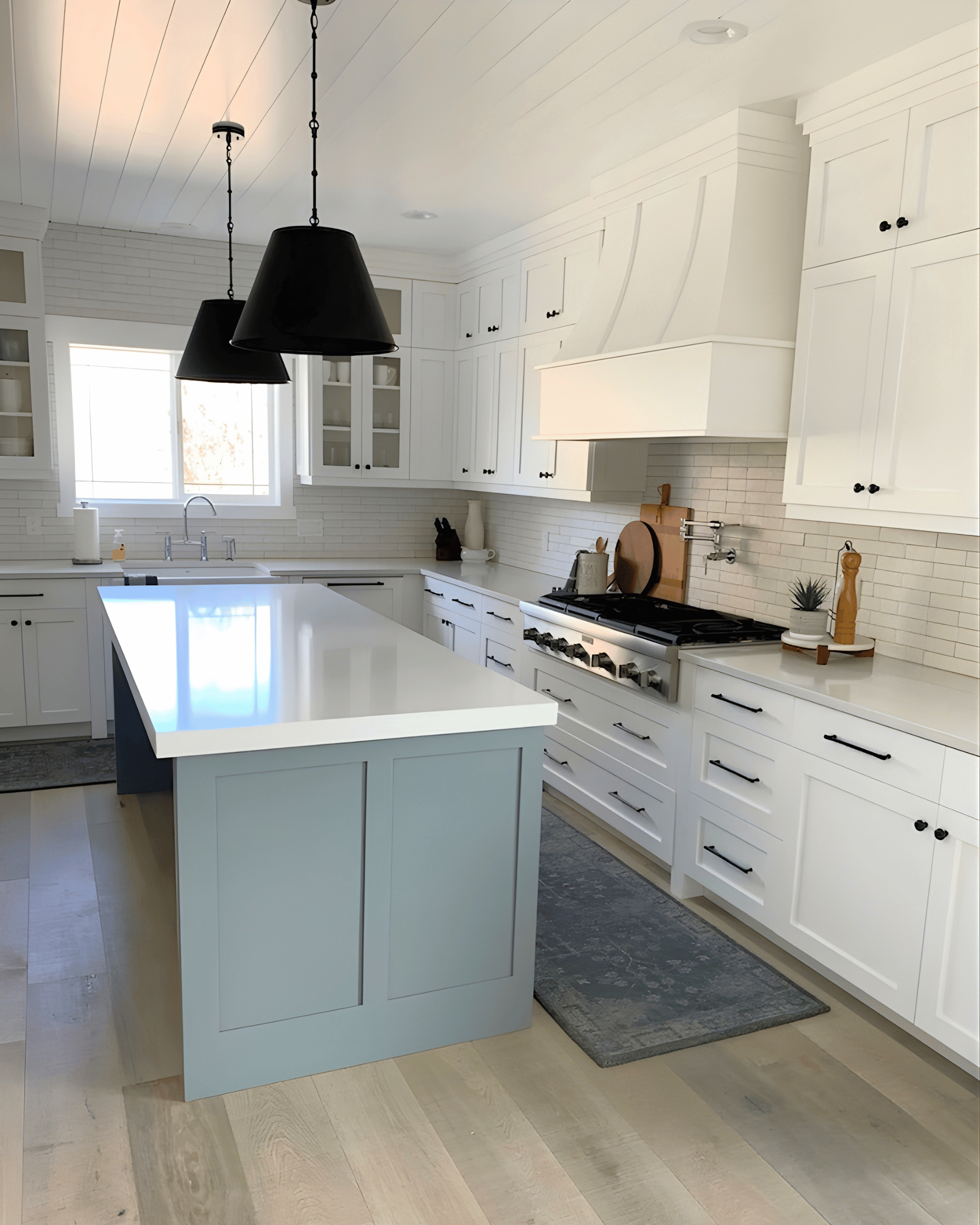
Preparing for Cabinet Refinishing
Before starting your cabinet refinishing project, it's crucial to focus on preparation. This ensures not only a flawless finish but also long-lasting results. Let's explore the steps that set the foundation for a successful refinishing project.
Evaluating Cabinet Materials
Understanding the type of material your cabinets are made of is the first step. Whether wood, laminate, or metal, each material requires a different approach. Wood cabinets, for instance, might need more attention and specific treatments. Identifying the material helps in deciding the right techniques and products needed.
Next, look at the condition of the cabinets. Are there dents, scratches, or damage? Addressing these issues early can prevent problems down the road. For wood, it might mean filling in scratches or replacing damaged components. For other materials, specific solutions might be needed to ensure an even finish.
Identifying Existing Coatings
Knowing what's already on your cabinets is equally important. Is there an old varnish? Maybe a layer of paint? Each coating type can affect how new layers adhere. Identifying these coatings helps in choosing the right preparation method.
Existing coatings can also give clues about past refinishing efforts. If there are multiple layers, it might mean you need a thorough stripping process. On the other hand, a single layer could indicate a simpler path to your refinishing goal.
Planning Grain Treatment
Grain treatment is crucial, especially for wood cabinets. It's all about how the wood's natural texture affects the finish. For oak cabinets, grain fill might be necessary to achieve a smooth surface.
Deciding on grain treatment early can save time and ensure the desired outcome. Some prefer the natural look of the wood grain, while others opt for a completely smooth finish. Planning ahead allows for adjustments that align with your vision.
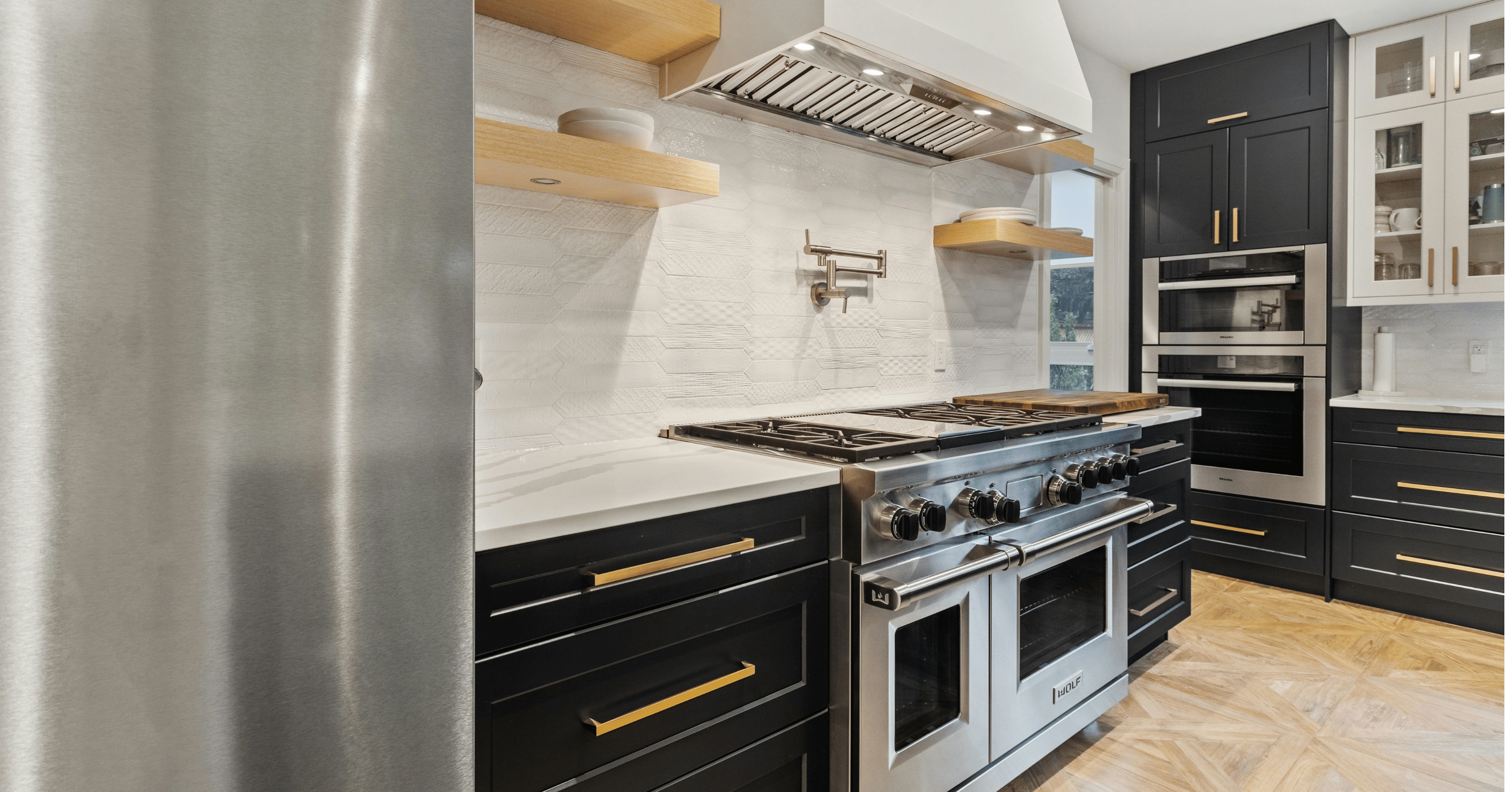
Protecting and Organizing the Jobsite
Once you've evaluated and planned, it's time to turn your attention to the jobsite itself. Protecting and organizing this space is vital to maintaining a clean and efficient work environment.
Site Protection and Setup
Before starting, safeguard your work area. This means covering floors and countertops with protective materials like rosin paper or plastic sheeting. These simple steps prevent accidental damage during the refinishing process.
Setting up a dedicated workspace helps in keeping tools and materials organized. A tidy space reduces errors and keeps the project running smoothly. Remember, a well-organized jobsite reflects a well-organized project.
Labeling and Mapping Components
As you disassemble cabinets, labeling each part is key. This ensures everything goes back in its correct place. Mapping out where each component belongs simplifies reassembly, a crucial phase for a polished final look.
A clear system for labeling and mapping saves time and prevents confusion later. It also ensures each piece receives the attention it needs, whether it's paint, stain, or a protective finish.
Hardware and Homeowner Considerations
Pay attention to cabinet hardware like handles and hinges. Decide whether you'll keep, replace, or refinish these elements. This decision impacts the overall aesthetic and functionality of your cabinets.
Consider the homeowner's needs throughout the process. Are there specific features they want to preserve or enhance? Keeping this in mind ensures the end result aligns with their expectations.

Surface Preparation for Durability
The final stage before painting involves preparing the cabinet surfaces. This step ensures the finish adheres properly and lasts for years to come.
Cleaning and Degreasing Cabinets
Start by thoroughly cleaning the cabinet surfaces. Removing dirt, grease, and old residues is vital. A clean base ensures the new finish bonds correctly, preventing peeling or chipping later.
Use a suitable degreaser for effective cleaning. This step might seem trivial, but it's foundational for a durable cabinet finish that stands up to daily use.
Cabinet Sanding and Adhesion Testing
Sanding helps create a surface that paint can grip. It's a critical step in the refinishing process. After sanding, perform adhesion tests to ensure the new finish will stick properly.
Adhesion testing is a simple check but provides peace of mind. It confirms that the preparation steps were effective and that the new finish will hold up over time.
Primer Selection and Environmental Controls
Choosing the right primer is essential. A bonding primer, for example, ensures that paint adheres well to the surface. This choice can dramatically affect the longevity and appearance of the finish.
Environmental controls, like humidity and temperature, also play a role. Make sure conditions are ideal for painting. This helps prevent issues like bubbling or uneven drying, ensuring a smooth, professional finish.

Frequently Asked Questions
What are the first steps in cabinet refinishing?
The initial steps include evaluating cabinet materials and identifying existing coatings. This helps in planning the right approach for refinishing.
Why is site protection important for cabinet refinishing?
Site protection prevents damage to floors and countertops. It ensures a clean and efficient workspace, which is crucial for a successful project.
How do I ensure paint adheres to my cabinets?
Proper surface preparation, including cleaning and sanding, is key. Performing adhesion tests confirms that the new finish will stick effectively.
What role does primer play in cabinet refinishing?
Primer ensures that paint adheres well and affects the finish's longevity and appearance. Choosing the right primer is vital for a durable result.
How can I maintain a durable cabinet finish?
Maintaining a durable finish involves proper cleaning, avoiding harsh chemicals, and regular inspection for any signs of wear or damage.